


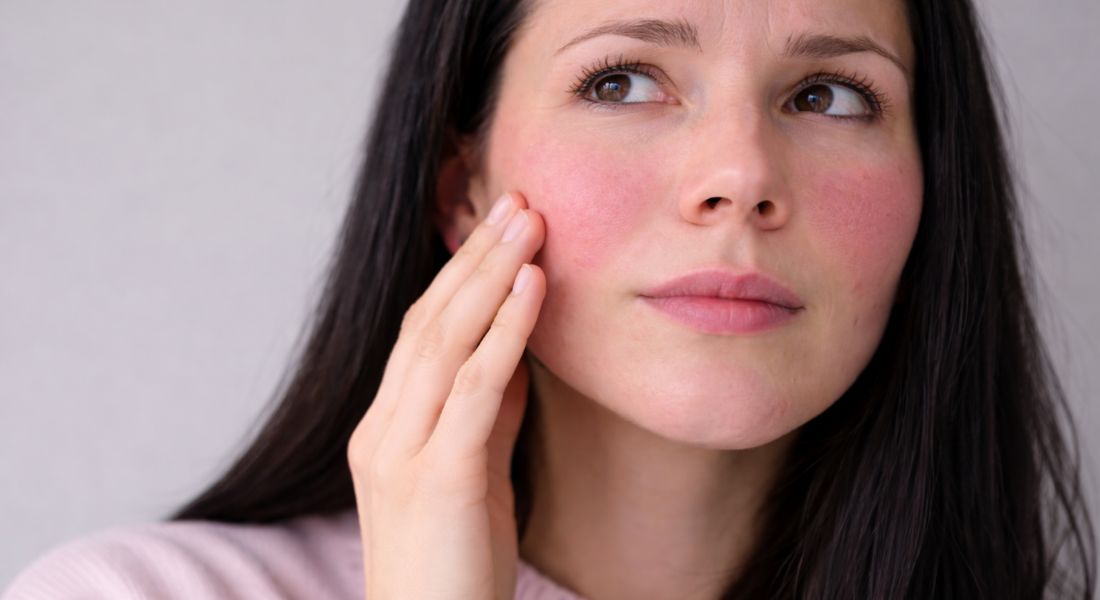
If you’ve recently started to notice persistent redness, flushing, or increased sensitivity in your skin later in life, you are not alone in this experience. Many people find it confusing when symptoms appear suddenly, especially if they have never dealt with similar issues before. You may begin to question what has changed or why your skin is reacting this way now. It can feel unexpected and even slightly concerning when these changes seem to come out of nowhere.
It can be particularly frustrating if your skin has been calm and manageable for years, only to shift quite quickly. You might assume it is just a temporary reaction, perhaps caused by a new skincare product or a change in your surroundings. In many cases, you may expect the irritation to settle on its own without needing much attention. However, when the symptoms continue, it can leave you feeling uncertain about what is really happening.
In many situations, what you are experiencing could be late-onset rosacea. This condition can develop in adulthood, even if you have never had previous skin concerns. It often appears gradually, but the changes can still feel quite sudden to you. Recognising the signs early can help you better understand your skin and take the right steps.
In this article, you will be guided through the reasons why rosacea can appear later in life, along with the factors that may increase your risk. You will gain a clearer understanding of what may be triggering your symptoms and why they develop over time. The article will also explain how rosacea is typically diagnosed by professionals. In addition, you will learn about the most effective ways to manage and control the condition.
What Is Rosacea?
Rosacea is a long-term inflammatory skin condition that mainly affects your face. It often appears as persistent redness, visible blood vessels, and sometimes small spots that can resemble acne. You may notice these changes across areas such as your cheeks, nose, chin, or forehead. The way it presents can vary depending on your skin type and level of sensitivity.
One of the defining features of rosacea is that it tends to fluctuate over time. You might experience flare-ups where the redness and irritation become more noticeable, followed by periods when your skin feels calmer. These changes can happen without clear warning, which can make the condition feel unpredictable. Understanding these patterns can help you manage your skin more effectively.
Although rosacea is often associated with fair skin types, it can affect a much broader range of individuals. It may also develop later in life, even if you have never experienced skin concerns before. This is where late-onset rosacea becomes important to recognise. Being aware of this can help you better understand the changes you are seeing in your skin.
What Does “Late-Onset” Rosacea Mean?
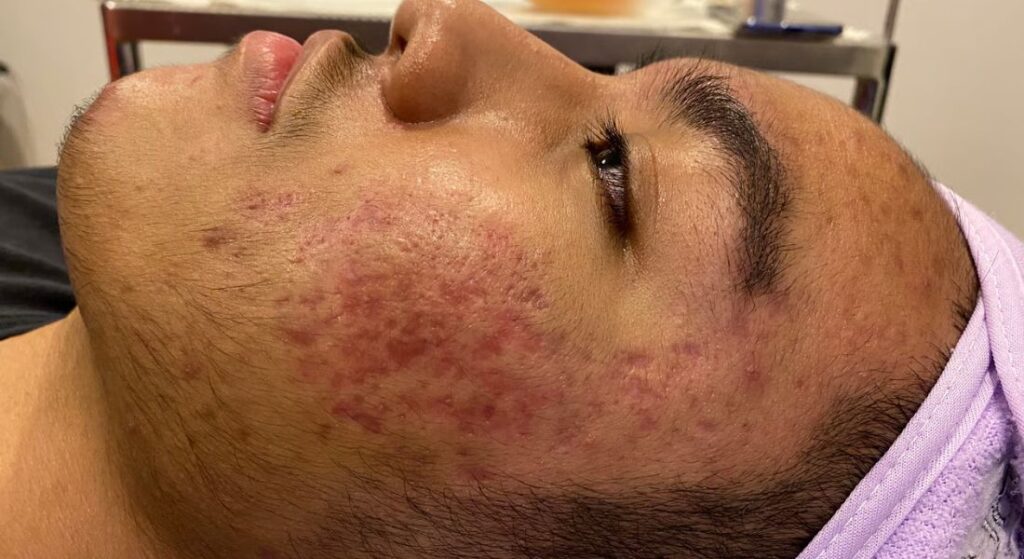
When late-onset rosacea is mentioned, it refers to rosacea that develops later in adulthood rather than earlier in life. You may begin to notice symptoms appearing in your 30s, 40s, or even later, despite previously having stable skin. This can make the condition feel unexpected, especially if you have never dealt with similar concerns before. It is not unusual for these changes to seem sudden when they first appear.
It is important for you to understand that this does not mean the condition has appeared out of nowhere. In many cases, underlying factors may have been developing gradually over time without being obvious. Your skin may have been slowly becoming more sensitive or reactive without clear signs. These hidden changes can eventually lead to more noticeable symptoms.
You may have experienced subtle signs earlier that simply went unnoticed or were easy to dismiss. In some cases, certain triggers or lifestyle changes can push your skin beyond a tipping point. This might include stress, environmental factors, or changes in your routine. As a result, your skin begins to react more visibly, leading to the onset of rosacea symptoms.
Why Does Rosacea Develop in Adulthood?
One of the most common questions you might ask yourself is, “Why now?” when symptoms begin to appear later in life. It is a completely valid concern, especially if your skin has been stable for many years. You may feel confused about what has changed or why your skin is suddenly reacting differently. These thoughts are very common when dealing with late-onset rosacea.
The answer is not usually linked to a single clear cause. Instead, it tends to involve a combination of biological, environmental, and lifestyle factors that build up over time. Your skin may gradually become more sensitive due to these overlapping influences. As a result, the condition can develop in a way that feels sudden, even though it has been progressing slowly.
Understanding these contributing factors can help you make better sense of your symptoms. You may start to recognise patterns or triggers that were not obvious before. This awareness can make it easier for you to manage your skin more effectively. Let’s now break down the main reasons why this can happen in adulthood.
Changes in Skin Barrier Function
As the skin ages, its natural barrier gradually becomes less effective at protecting against external irritants and retaining essential moisture. This barrier plays a crucial role in keeping the skin balanced, resilient, and well-hydrated. When it weakens over time, the skin becomes more vulnerable to environmental stressors and internal imbalances. These changes can make the skin more reactive and sensitive than it was in earlier years.
- Reduced Protective Strength: The skin barrier acts as a shield against pollutants, bacteria, and harsh environmental conditions. As it weakens with age, this protective function diminishes, allowing irritants to penetrate more easily. This can lead to increased skin discomfort and a higher likelihood of irritation.
- Increased Sensitivity and Reactivity: A compromised barrier often results in heightened sensitivity, where the skin reacts more strongly to everyday triggers. Products or ingredients that were once well-tolerated may suddenly cause redness or stinging. This shift can make skincare routines more challenging to manage.
- Greater Risk of Inflammation: When irritants penetrate the skin more easily, the body responds with inflammation as a defense mechanism. This can manifest as redness, flushing, or irritation. Over time, repeated inflammatory responses may contribute to persistent skin concerns like rosacea.
- Trigger Response to Environmental Factors: External factors such as weather changes, pollution, and temperature fluctuations can have a stronger impact on weakened skin. What once had little effect may now provoke noticeable reactions. This increased susceptibility can play a role in the development and worsening of rosacea symptoms.
In conclusion, changes in skin barrier function are a significant factor in why skin becomes more sensitive and reactive with age. A weakened barrier not only reduces protection but also increases the likelihood of irritation and inflammation. Over time, these effects can contribute to chronic conditions such as rosacea.
Increased Vascular Reactivity
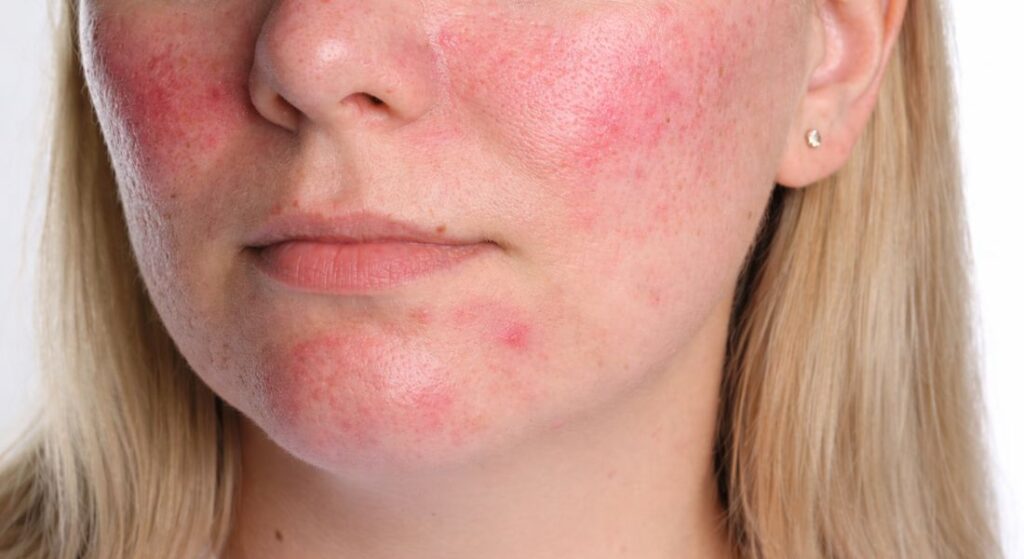
Rosacea is closely linked to the way your blood vessels behave beneath the surface of your skin. In people with rosacea, these vessels tend to dilate more easily, which can lead to visible redness. You may notice your skin flushing more quickly in response to heat, stress, or certain foods. This increased sensitivity can make your skin feel harder to manage over time.
As you get older, your vascular system can naturally become more reactive. This means that episodes of flushing may happen more often or feel more intense than they did before. You might find that triggers which once had little effect now cause noticeable redness. These changes can develop gradually, making them difficult to recognise at first.
Over time, repeated dilation of the blood vessels can lead to more persistent redness. What may have started as occasional flushing can become a more constant feature of your skin. This is often the stage when you begin to notice clear and lasting changes. At this point, the symptoms of rosacea may become more apparent and harder to ignore.
Cumulative Environmental Exposure
Your skin holds on to the effects of what it has been exposed to over the years. Factors such as sun exposure, pollution, and harsh weather conditions can gradually weaken your skin’s natural resilience. You may not notice the impact straight away, especially when you are younger. However, these effects can build up quietly over time.
Even if your skin seemed unaffected earlier in life, the cumulative impact can begin to appear later on. This delayed response is one of the reasons why rosacea can develop in adulthood rather than at a younger age. You might start to see changes that feel sudden, even though they have been developing slowly beneath the surface. This can make the condition feel unexpected when it first becomes noticeable.
If you have spent a significant amount of time outdoors or have not consistently used sun protection, your risk may be higher. This is not about placing blame, but about helping you understand the factors that can contribute over time. Recognising these influences can help you take more informed steps moving forward. It also allows you to better support your skin as its needs change.
Hormonal Changes
Hormones play an important role in maintaining your skin’s overall health and balance. Changes in hormone levels can influence inflammation, oil production, and how sensitive your skin becomes. You may notice that your skin reacts differently during certain stages of life. These internal shifts can make your skin more prone to conditions like rosacea.
For many people, hormonal changes in adulthood can trigger or worsen rosacea symptoms. This is often seen during stages such as menopause, when hormone levels fluctuate more noticeably. You might experience increased redness, dryness, or sensitivity during this time. These changes can make existing symptoms more difficult to manage.
However, hormonal influence is not limited to one group. Subtle shifts can occur gradually over time and affect anyone, regardless of gender. You may not always be aware of these changes as they happen. Over time, they can contribute to your skin becoming more reactive and prone to flare-ups.
Immune System Response
Your immune system is constantly working alongside your skin to protect it from external and internal triggers. In rosacea, this response can become more exaggerated than usual. This means your skin may react more intensely to factors that would not normally cause concern. As a result, your skin can become more sensitive and prone to irritation.
You might notice that things which cause only mild irritation for others lead to more noticeable redness or inflammation for you. Common triggers such as heat, certain foods, or stress may provoke a stronger reaction. This heightened sensitivity can make your skin feel unpredictable at times. It may also become harder to identify exactly what is causing your flare-ups.
Over time, this increased immune response can become more consistent. What begins as occasional reactions may gradually turn into ongoing or chronic symptoms. You may find that redness or sensitivity lingers for longer periods. This is often when rosacea becomes more noticeable and requires more careful management.
Microorganisms on the Skin
The skin is home to a wide range of microorganisms, including bacteria, fungi, and microscopic mites such as Demodex. Under normal conditions, these organisms coexist peacefully and even play a role in maintaining skin health. However, changes in the skin’s environment or immune response can disrupt this balance.
- Natural Presence of Demodex Mites: Demodex mites are a normal part of the skin’s ecosystem and are found on most adults. They typically live in hair follicles and feed on dead skin cells without causing any issues. Their presence alone is not harmful and does not indicate poor hygiene.
- Higher Mite Density in Rosacea: Studies have shown that people with rosacea often have a higher number of Demodex mites on their skin. This overpopulation may irritate the skin or trigger an immune response. As a result, it can contribute to redness, inflammation, and flare-ups.
- Immune System Reaction: The issue is less about the mites themselves and more about how the immune system reacts to them. In rosacea-prone skin, the immune response may be exaggerated, leading to increased inflammation. This heightened reaction can worsen existing symptoms and make the skin more sensitive.
- Not Related to Hygiene: It’s important to understand that the presence of these microorganisms is not a sign of poor cleanliness. Even with proper skincare, Demodex mites naturally exist on the skin. The key factor is the skin’s interaction with these organisms rather than how often it is cleansed.
In conclusion, microorganisms like Demodex are a normal part of the skin’s environment, but their role can change in individuals with rosacea. An increased number of mites and a heightened immune response can contribute to inflammation and irritation.
Lifestyle Triggers That Accumulate Over Time
Lifestyle factors do not always cause immediate changes in your skin. Instead, their effects tend to build up gradually over time, often without you noticing at first. You may continue with certain habits for years without any obvious issues. However, these small influences can slowly affect how your skin responds.
Common triggers include alcohol, spicy foods, stress, and hot drinks. You might have tolerated these well when you were younger, without experiencing any visible reactions. Over time, though, your skin may begin to respond differently to the same factors. This shift can feel surprising when something that once seemed harmless starts to cause irritation.
As your skin becomes more sensitive, these triggers can begin to cause flare-ups more easily. You may notice increased redness, warmth, or discomfort after exposure to them. This can make it seem as though rosacea has appeared suddenly. In reality, these contributing factors have often been building up in the background for some time.
Common Symptoms of Late-Onset Rosacea
Recognising the symptoms of late-onset rosacea early can make a significant difference in how effectively it is managed. Many of the initial signs can be subtle and easily mistaken for temporary skin reactions. However, as the condition progresses, these symptoms often become more persistent and noticeable. Paying close attention to changes in your skin can help with earlier identification and timely care.
- Persistent Redness: One of the earliest and most common signs is ongoing redness, typically affecting the cheeks, nose, forehead, or chin. Unlike temporary flushing, this redness does not fully disappear and may gradually intensify over time. It can give the skin a constantly flushed appearance.
- Flushing Episodes: Individuals may experience sudden episodes of warmth and redness, often triggered by heat, stress, spicy foods, or alcohol. These episodes may initially be occasional but can become more frequent and longer-lasting. Over time, they may contribute to more permanent redness.
- Visible Blood Vessels: Small, thread-like veins, known as telangiectasia, can become visible on the surface of the skin. They are most commonly seen around the nose and cheeks. Once these blood vessels appear, they typically do not fade on their own.
- Spots and Bumps: Some people develop red, inflamed bumps that can resemble acne. However, unlike traditional acne, these breakouts usually do not include blackheads or whiteheads. This difference is an important clue in distinguishing rosacea from other skin conditions.
- Increased Skin Sensitivity: The skin may become more reactive, with a tendency to sting, burn, or feel irritated easily. Even products that were previously well-tolerated can start causing discomfort. Environmental factors such as wind or temperature changes may also trigger reactions.
In conclusion, late-onset rosacea presents with a range of symptoms that often develop gradually but persist over time. From continuous redness to increased sensitivity, these signs can significantly impact skin comfort and appearance. Early recognition is key to managing the condition effectively and preventing progression.
Who Is Most at Risk?
While rosacea can develop in anyone, certain factors can increase the likelihood of experiencing it, particularly later in life. These risk factors are often a combination of genetic, environmental, and biological influences. Understanding them can help you identify whether you may be more susceptible.
- Age: Late-onset rosacea is most commonly seen in individuals over the age of 30. As the skin matures, it becomes more prone to the underlying changes that can trigger rosacea. However, this does not mean younger people cannot develop the condition it simply tends to become more noticeable with age.
- Skin Type: People with fair skin are more frequently affected by rosacea, particularly those who flush easily. That said, rosacea can occur in all skin tones. In darker skin, symptoms like redness may be less visible, which can sometimes delay diagnosis and treatment.
- Family History: Genetics can play a role in determining your risk of developing rosacea. If a close family member has the condition, you may be more likely to experience it yourself. However, having a family history does not guarantee that you will develop rosacea.
- Environmental Exposure: Long-term exposure to environmental factors such as sun, wind, and extreme temperatures can increase the risk. These elements can gradually weaken the skin barrier and make it more reactive. Over time, this increased sensitivity can contribute to the development of rosacea symptoms.
In conclusion, while rosacea can affect a wide range of individuals, certain risk factors make it more likely to develop, especially in adulthood. Age, skin type, genetics, and environmental exposure all play a role in influencing susceptibility. Recognising these factors can help with early identification and proactive skin care.
How Dermatologists Diagnose Late-Onset Rosacea

If you are concerned about changes in your skin, seeking a professional assessment is an important step. It can be tempting to try and work things out on your own, but self-diagnosing is not always reliable. A dermatologist can evaluate your skin through a clinical examination, carefully assessing your symptoms and how they appear over time. You will also be asked about potential triggers, your lifestyle, and your medical history to build a complete picture.
Rosacea can sometimes resemble other skin conditions, which makes accurate diagnosis essential. Conditions such as acne, eczema, or allergic reactions may appear similar at first. A dermatologist will take care to rule out these possibilities before confirming rosacea. This ensures that you receive the most appropriate and effective treatment for your specific situation.
It is also important to understand that rosacea is not a single uniform condition. There are different subtypes, each with slightly different characteristics and patterns. Identifying your specific subtype helps guide the most suitable treatment approach for your skin. This personalised understanding allows for better long-term management and improved results.
When Should You Seek Help?
It can be easy for you to dismiss the early signs of rosacea, especially if the symptoms seem mild or occasional. However, addressing the condition early can make it much easier to manage over time. You may find that taking action sooner helps prevent symptoms from becoming more persistent. Paying attention to small but ongoing changes in your skin is important.
You should consider seeking advice if you notice persistent redness or frequent flushing that does not go away. Changes that continue without improving on their own are worth having checked by a professional. You might also find that your skin becomes more sensitive, reactive, or uncomfortable than usual. These signs suggest that it is time to take a closer look at what is happening.
If your symptoms continue or begin to affect your confidence or comfort, seeking professional support can be a helpful step. You do not need to wait for the condition to worsen before taking action. A proper assessment can give you clarity and direction on how to manage your skin effectively. Early guidance can make a noticeable difference in controlling symptoms and maintaining healthier skin.
How Late-Onset Rosacea Is Managed
Although rosacea is a long-term condition, it can be managed effectively with the right approach. The key is to follow a plan that is tailored to your specific skin and its needs. You may find that understanding your triggers plays a major role in controlling symptoms. Keeping a simple diary can help you identify patterns and take steps to avoid common flare-up causes.
Adjusting your skincare routine is also an important part of management. You should focus on using gentle, non-irritating products and avoid harsh exfoliants or heavily fragranced formulas. Choosing products designed for sensitive skin can help support and protect your skin barrier. Keeping your routine simple and consistent is often the most effective way to reduce irritation.
Daily sun protection is essential, as UV exposure is one of the most common triggers for rosacea. Using a broad-spectrum SPF can help minimise flare-ups and protect your skin over time. In some cases, medical treatments may also be recommended to reduce inflammation and control symptoms. These treatments are usually tailored to your specific condition, which is why professional guidance is important.
The Emotional Impact of Late-Onset Rosacea
It is easy for you to focus mainly on the physical symptoms of rosacea, such as redness or sensitivity. However, skin conditions can also have a noticeable impact on how you feel emotionally. You may find that these changes affect your confidence in subtle or more significant ways. Recognising this emotional side is an important part of understanding the condition as a whole.
Sudden changes in your appearance can sometimes make you feel self-conscious or unsure of yourself. You might feel frustrated when your skin does not respond the way it used to. In some situations, this can affect how comfortable you feel in social or professional settings. These reactions are completely understandable when dealing with visible skin concerns.
It is important for you to acknowledge how you feel rather than ignore it. Seeking support, whether from professionals or trusted people around you, can be helpful. Gaining a better understanding of your condition can also give you a greater sense of control. Over time, this can make a meaningful difference in how you manage both your skin and your confidence.
Can Late-Onset Rosacea Be Prevented?
There is no guaranteed way for you to completely prevent rosacea from developing. However, there are steps you can take to reduce your risk and manage early signs more effectively. Being proactive with your skin can make a noticeable difference over time. Small, consistent habits can help support your skin’s long-term health.
Protecting your skin from sun damage is one of the most effective measures you can take. Regular use of sun protection can help reduce the impact of UV exposure, which is a common trigger. Maintaining a gentle and consistent skincare routine is also important. Using mild, non-irritating products can help keep your skin balanced and less reactive.
Being aware of your personal triggers and responding to them early can help prevent symptoms from becoming more severe. You may find that recognising patterns allows you to take action before a flare-up develops. This early awareness can make your symptoms easier to control. Over time, this approach can help you manage your skin more confidently.
Living with Rosacea Long-Term
Rosacea is a condition that you learn to manage over time rather than completely cure. While this may feel challenging at first, many people are able to find an approach that works well for their skin. You may need to try different strategies before discovering what suits you best. With patience and understanding, it becomes easier to handle.
Consistency plays a very important role in managing rosacea effectively. Small, daily habits such as gentle skincare and avoiding known triggers can make a noticeable difference. You might not see immediate results, but steady routines often lead to gradual improvement. Over time, these efforts can help keep your skin more balanced and less reactive.
With the right approach, it is entirely possible for you to keep symptoms under control. You can maintain healthier-looking skin by staying aware of your triggers and caring for your skin consistently. Professional guidance can also support you in refining your routine when needed. This long-term approach can help you feel more confident in managing your skin.
FAQs:
1. What is late-onset rosacea?
Late-onset rosacea refers to a form of rosacea that develops in adulthood, often after the age of 30. It can appear even if you have never experienced skin issues before.
2. Why does rosacea suddenly appear later in life?
Rosacea can develop due to a combination of factors that build up over time, including ageing skin, environmental exposure, hormonal changes, and increased skin sensitivity.
3. What are the early signs of late-onset rosacea?
Early signs include persistent redness, frequent flushing, visible blood vessels, increased sensitivity, and acne-like bumps without blackheads.
4. Can rosacea be mistaken for other skin conditions?
Yes, rosacea can resemble conditions such as acne, eczema, or allergic reactions, which is why a professional diagnosis is important.
5. Who is most likely to develop late-onset rosacea?
People over 30, those with fair or sensitive skin, individuals with a family history of rosacea, and those with high environmental exposure are at higher risk.
6. What triggers rosacea flare-ups?
Common triggers include sun exposure, heat, stress, alcohol, spicy foods, hot drinks, and harsh skincare products.
7. Is rosacea caused by poor hygiene?
No, rosacea is not related to poor hygiene. Factors like immune response, skin barrier function, and microorganisms such as Demodex mites play a larger role.
8. Can late-onset rosacea be cured?
There is no cure for rosacea, but it can be effectively managed with the right skincare routine, lifestyle adjustments, and medical treatments if needed.
9. When should I see a dermatologist?
You should seek professional advice if you notice persistent redness, frequent flushing, increased sensitivity, or symptoms that do not improve over time.
10. How can I manage rosacea in the long term?
Long-term management includes using gentle skincare products, applying daily sun protection, identifying and avoiding triggers, and following a consistent routine tailored to your skin.
Final Thoughts: Taking Control of Late-Onset Rosacea
Late-onset rosacea can feel unexpected, especially when your skin has been stable for years. However, understanding that it develops gradually due to a combination of internal and external factors can help you make sense of these changes. With the right awareness, you can begin to recognise triggers, adapt your routine, and take a more proactive approach to your skin health.
While rosacea cannot be completely cured, it can be managed very effectively with consistency, gentle care, and professional guidance when needed. Early recognition and the right support can make a significant difference in preventing symptoms from progressing and maintaining long-term skin comfort. If you’re considering a rosacea treatment clinic in London, you can contact us at London Dermatology Centre to book a consultation with one of our specialists.
References:
- McAleer, M.A., Lacey, N. and Powell, F.C., 2009. The pathophysiology of rosacea. Dermatologic Clinics, 27(4), pp. 487–496. Available at: https://pubmed.ncbi.nlm.nih.gov/19907405/
- Chauhan, N. and Ellis, D.A.F., 2013. Rosacea: pathophysiology and management principles. Facial Plastic Surgery Clinics of North America, 21(1), pp. 127–136. Available at: https://pubmed.ncbi.nlm.nih.gov/23369595/
- Steinhoff, M., Buddenkotte, J., Aubert, J., Sulk, M., Novak, P., Schwab, V.D. and Mess, C., 2013. Clinical, cellular, and molecular aspects in the pathophysiology of rosacea. Journal of Investigative Dermatology, 133(5), pp. 1113–1121. Available at: https://pmc.ncbi.nlm.nih.gov/articles/PMC3704130/
- Andrusiewicz, A., Khimuk, S., Mijas, D., Shmorhun, B. and Nowicka, D., 2025. Molecular mechanisms in the etiopathology of rosacea systematic review. International Journal of Molecular Sciences, 26(23), p.11292. Available at: https://www.mdpi.com/1422-0067/26/23/11292
- Wilkin, J., 2004. Rosacea: I. Etiology, pathogenesis, and subtype classification. Journal of the American Academy of Dermatology, 51(3), pp.327–341. Available at: https://www.sciencedirect.com/science/article/abs/pii/S0190962204008448