


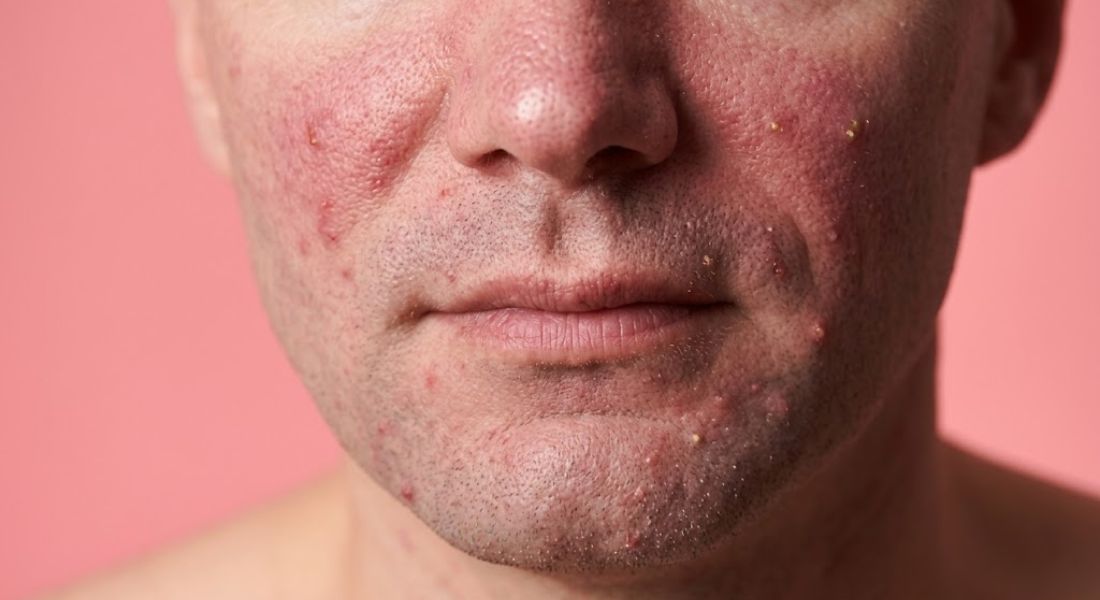
If you’re a man noticing persistent redness on your face, it’s easy to assume it’s just a reaction to exercise, stress, or alcohol. While occasional flushing is normal, rosacea is a medical condition that can affect men in unique ways. Unlike in women, men often experience more noticeable and severe symptoms that can be uncomfortable and visible. Understanding these differences is essential for spotting the condition early and taking the right steps to manage it.
Men with rosacea may notice more pronounced redness, small bumps, or skin thickening, particularly around the nose and cheeks. These signs can sometimes be mistaken for acne or sun damage, which makes it tricky to identify without professional advice. Hormonal and lifestyle factors can also influence how the condition appears, causing flare-ups that seem sudden or persistent. Being aware of these patterns helps in recognising rosacea before it progresses.
A key part of managing rosacea is knowing how dermatologists approach diagnosis and treatment. They often look for characteristic patterns of redness and inflammation, and may suggest lifestyle adjustments, topical creams, or specialised procedures. Men are sometimes diagnosed later than women, which can make early consultation even more important. Accessing care at a rosacea treatment clinic in London or a similar specialist centre ensures the condition is treated effectively and monitored over time.
By learning to identify the early signs of rosacea, men can take control of their skin health and prevent more serious complications. Regular monitoring, gentle skincare, and professional advice can make a significant difference in reducing flare-ups and maintaining confidence. With the right approach, managing rosacea becomes much more manageable, and you can feel assured that your skin is receiving the care it needs.
Why Men May Experience Rosacea Differently
Rosacea is a chronic inflammatory skin condition that mainly affects the central part of the face, including the nose, cheeks, and forehead. While both men and women can develop it, research and clinical experience show that men often present with different patterns and more severe changes. Their symptoms can be more noticeable, and the condition may progress faster if not addressed early.
One reason men may experience rosacea differently is that they are less likely to seek treatment at the first sign of redness or irritation. Many men assume that facial flushing or bumps are caused by shaving, acne, or stress, which delays professional assessment. This delay allows symptoms to worsen over time, making it harder to manage the condition effectively.
As the condition advances, men may develop more pronounced skin changes, such as thickening of the nose (rhinophyma) and visible blood vessels. These features can affect both appearance and confidence, and may require specialised treatment to control. Early recognition and consultation with a dermatologist or a rosacea treatment clinic in London can help reduce flare-ups, manage symptoms, and prevent severe progression.
Common Symptoms of Rosacea in Men
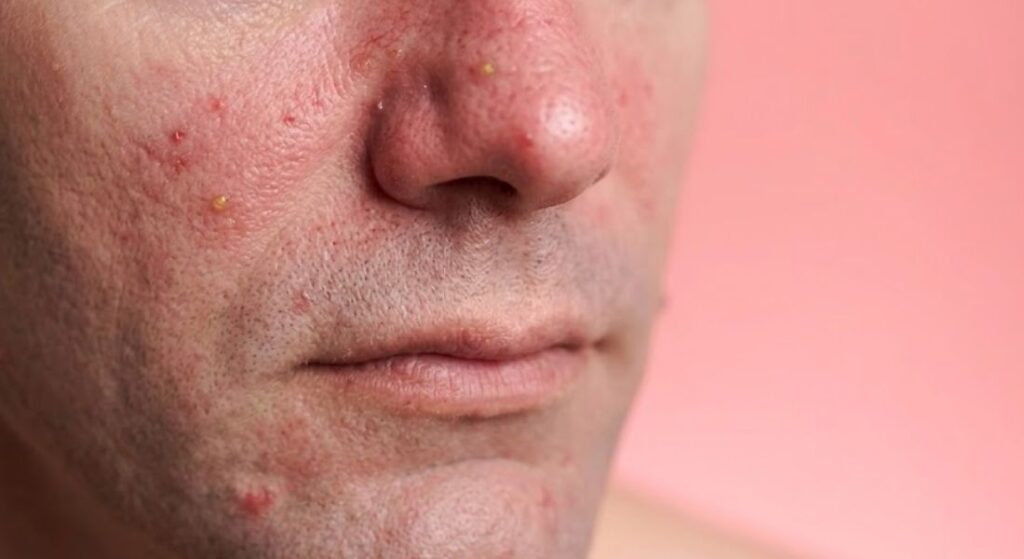
Rosacea can present differently in men, and recognising the symptoms early is important for managing the condition effectively. While facial redness is often the first sign, other features may develop over time, affecting both appearance and comfort. Men are more likely to experience certain severe manifestations, making awareness essential. Understanding these symptoms helps in seeking timely dermatological care.
- Persistent facial redness (erythema): Central facial redness, especially across the nose and cheeks, is usually the first noticeable sign of rosacea. This redness may flare up in response to triggers such as heat, alcohol, or stress, and tends to be long-lasting rather than temporary.
- Telangiectasia: Small, visible blood vessels often appear on the nose, cheeks, or forehead. While primarily a cosmetic concern, telangiectasia can indicate the progression of rosacea and may become more pronounced over time.
- Papules and pustules: Red bumps and pus-filled spots can resemble acne, but unlike acne, rosacea lesions do not include blackheads. These inflammatory spots can cause discomfort and may worsen if left untreated.
- Rhinophyma: This condition involves thickened, bulbous skin on the nose and is more commonly observed in men. Beyond cosmetic changes, rhinophyma can sometimes lead to functional problems such as nasal obstruction.
- Ocular involvement: Eye symptoms may include redness, dryness, and irritation, occasionally appearing before facial signs. In severe cases, ocular rosacea can affect vision and requires specialist attention.
In conclusion, rosacea in men often presents with a combination of redness, visible blood vessels, bumps, and, in some cases, changes to the nose and eyes. Men are more prone to severe forms, particularly rhinophyma, which can affect both appearance and function. Early recognition and treatment can help manage symptoms and prevent complications. Being aware of these signs encourages timely consultation with a dermatologist for personalised care.
Why Rosacea May Progress More in Men
Rosacea in men can become more severe and progress faster due to several contributing factors. Hormonal influences, such as testosterone, can affect the activity of sebaceous glands, which may lead to skin thickening, especially in cases of rhinophyma. These biological differences can make symptoms more noticeable and harder to manage if not addressed early.
Delayed treatment is another key factor. Men often wait longer to seek help because of social norms or misconceptions that skincare is less important for them. By postponing professional assessment, mild redness or bumps can develop into more advanced changes that are more difficult to treat.
Lifestyle and genetic factors also play a role in the progression of rosacea. Triggers such as alcohol, hot drinks, and intense physical activity can worsen flare-ups over time, while a family history of rosacea may increase the risk of severe symptoms. Being aware of these influences can help men manage triggers, plan earlier interventions, and maintain healthier skin.
Identifying Rosacea Early in Men
Early detection of rosacea is essential to prevent more severe and permanent skin changes. If you notice persistent redness, small bumps, or visible blood vessels on your face, it is worth consulting a dermatologist promptly. Recognising the condition at an early stage makes it much easier to manage and can prevent it from worsening over time.
Key steps in spotting rosacea early include monitoring how often and how long your face flushes. Pay attention to whether redness is accompanied by bumps, pustules, or visible blood vessels, as these are common signs of the condition. Keeping a record of potential triggers, such as spicy foods, alcohol, heat, or exercise, can also help in identifying patterns that worsen symptoms.
Seeking professional advice early can significantly reduce the risk of progression to advanced features, such as thickened skin or prominent vessels. With timely intervention, you can manage flare-ups more effectively, protect your skin, and maintain your confidence and quality of life.
Differential Diagnosis: When It’s Not Rosacea
Not all facial redness or bumps indicate rosacea, so it is important to consider other possible causes. Correctly identifying the underlying condition ensures effective treatment and prevents unnecessary interventions. Dermatologists carefully evaluate the pattern, distribution, and accompanying symptoms to make an accurate diagnosis. Understanding these differences can help patients seek the right care sooner.
- Acne vulgaris: Unlike rosacea, acne typically presents with papules and pustules but lacks persistent central facial redness. Blackheads and whiteheads are also common, which helps distinguish it from rosacea.
- Seborrhoeic dermatitis: This condition causes flaky, red patches around areas such as the eyebrows, nose, and scalp. It is often associated with itchiness and greasy scales rather than the uniform redness seen in rosacea.
- Lupus erythematosus: Lupus can produce a characteristic butterfly-shaped rash across the cheeks and nose, often accompanied by systemic symptoms such as fatigue or joint pain. Early recognition is crucial, as lupus requires specialised management beyond skin care.
- Contact dermatitis: Redness and irritation caused by skin contact with irritants or allergens can mimic rosacea. Symptoms usually appear after exposure and improve once the trigger is removed.
In conclusion, several skin conditions can resemble rosacea, making accurate diagnosis essential. Distinguishing between acne, dermatitis, lupus, and other causes ensures that patients receive appropriate treatment. Consulting a dermatologist allows for personalised care and helps prevent complications from incorrect management. Awareness of these differences can lead to quicker relief and better skin health overall.
The Impact of Shaving on Male Rosacea
Shaving is a daily routine for many men, but it can sometimes worsen rosacea. The friction from razors can irritate already sensitive skin, leading to increased redness and inflammation. Understanding how shaving affects your skin is important for managing flare-ups effectively.
Many men find that adjusting their shaving techniques can make a noticeable difference. Using a single-blade razor, an electric shaver, or gentle stroking motions can reduce friction and irritation. Choosing soothing, fragrance-free aftercare products also helps calm the skin after shaving.
For personalised guidance, consulting a dermatologist is highly beneficial. They can recommend the best shaving methods and products to minimise irritation while maintaining a regular grooming routine. With the right approach, shaving doesn’t have to aggravate rosacea, and your skin can stay comfortable and healthy.
Lifestyle Factors and Triggers in Men
Rosacea flare-ups in men are often influenced by everyday lifestyle factors and environmental triggers. While these do not cause rosacea directly, they can worsen symptoms or provoke sudden redness. Understanding and managing these triggers can significantly improve comfort and quality of life. Combining lifestyle adjustments with medical treatment provides the best outcomes.
- Alcohol: Beer, wine, and spirits are common triggers for facial flushing. Limiting intake or monitoring specific beverages can help reduce episodes of redness.
- Hot beverages: Drinks such as coffee and tea may cause temporary facial flushing. Adjusting temperature or quantity can help minimise these reactions.
- Exercise and heat: Strenuous activity or exposure to high temperatures can increase facial redness. Cooling strategies and gradual warm-up routines can make exercise more comfortable.
- Stress: Emotional stress can provoke rosacea flare-ups, leading to redness and discomfort. Stress management techniques, such as mindfulness or relaxation exercises, may help reduce the frequency of episodes.
In conclusion, lifestyle factors play a significant role in the severity and frequency of rosacea symptoms in men. By identifying and managing triggers like alcohol, hot drinks, exercise, and stress, men can complement their medical treatment effectively. Small adjustments in daily habits can make a noticeable difference, improving both skin comfort and confidence.
Treatment Approaches for Men
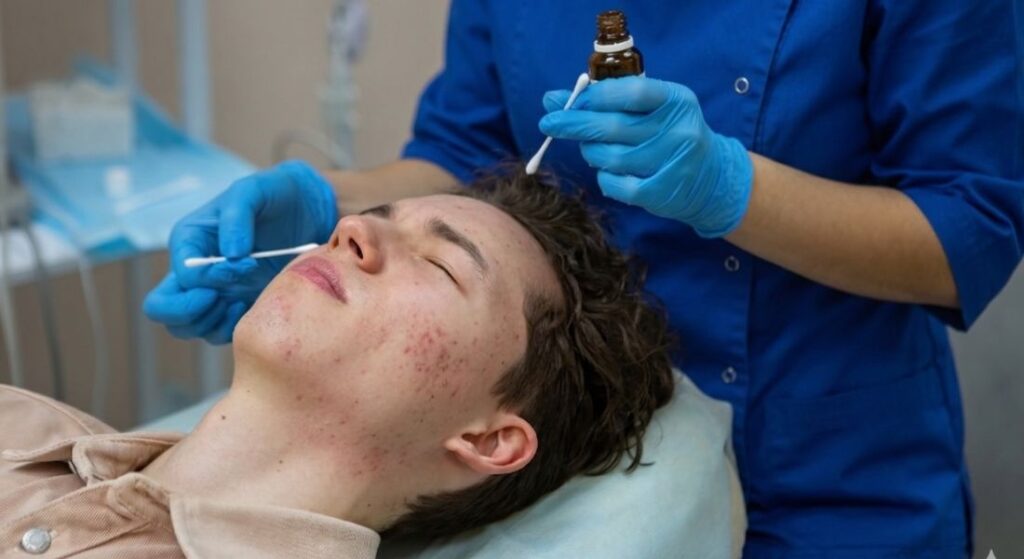
Treating rosacea in men usually involves a combination of medical therapy, procedural interventions, and lifestyle adjustments. Dermatologists often recommend a tailored approach based on symptom severity, skin type, and overall health. Combining these strategies helps manage redness, inflammation, and long-term skin changes effectively.
1. Topical Medications: Topical treatments are often the first line of therapy and help reduce inflammation and redness. Common options include metronidazole, which is effective for papules and pustules, azelaic acid to calm inflammation and mild redness, and ivermectin, which targets inflammatory lesions linked to skin mites. Consistency is essential, as most topical treatments take several weeks to show noticeable improvement.
2. Oral Medications: For moderate to severe cases, oral therapy can be very effective. Tetracyclines such as doxycycline or minocycline reduce inflammation, while isotretinoin may be used in resistant cases under specialist supervision. Men with more severe rosacea may require longer courses or higher doses, so dermatologists monitor treatment carefully to ensure safety and effectiveness.
3. Laser and Light-Based Treatments: Visible blood vessels and persistent redness often respond well to light-based therapies. Pulsed dye laser (PDL) targets dilated blood vessels for long-term reduction, while intense pulsed light (IPL) improves overall redness and skin texture. These treatments are frequently combined with topical or oral medications to optimise results. For anyone considering these options, a rosacea treatment clinic in London offers specialist care and personalised treatment plans.
Managing Rhinophyma
Rhinophyma is a hallmark of severe rosacea in men, characterised by thickened skin on the nose. This condition can have both cosmetic and functional effects, sometimes affecting appearance and confidence. Recognising it early is important, as timely intervention can prevent further progression and complications.
Several treatment options are available depending on severity. Surgical intervention can remove excess tissue to restore the natural shape of the nose, while laser resurfacing helps reduce thickened skin and improve overall texture. In addition, topical or oral medications can help control inflammation and prevent flare-ups from worsening.
Early management and specialist consultation are key to achieving the best results. Seeing a dermatologist or a rosacea treatment clinic ensures personalised care and guidance, allowing men to maintain both healthy skin and confidence in their appearance.
Eye Involvement in Male Rosacea
Ocular rosacea is often under-recognised but can affect men significantly. It may cause discomfort and noticeable symptoms, making daily life more challenging. Being aware of these signs is important for early detection and proper management.
Common symptoms of ocular rosacea include red, watery eyes, dryness or a burning sensation, and sensitivity to light. In more severe cases, blurred vision may also occur, signalling that professional assessment is needed. Paying attention to eye changes alongside facial symptoms can help identify rosacea early.
If left untreated, ocular rosacea can lead to serious complications, such as keratitis, which affects the cornea. Regular check-ups with an ophthalmologist or dermatologist are essential to prevent these outcomes and to receive appropriate treatment. Early intervention can protect eye health while managing rosacea effectively.
Psychological and Social Impact
Persistent facial redness and other visible symptoms of rosacea can have a significant effect on confidence and social interactions. Many men feel self-conscious about their appearance, which may lead them to avoid social situations or feel anxious in public. Recognising these feelings is an important step in managing the emotional impact of the condition.
It’s natural to experience frustration or embarrassment when dealing with rosacea, but support is available. Speaking with a dermatologist or seeking guidance from support groups can provide reassurance and practical strategies for managing both symptoms and self-esteem. Being proactive about treatment can help reduce flare-ups and improve overall confidence.
Professional care not only improves skin health but can also enhance quality of life. By addressing rosacea effectively, men can feel more comfortable in their appearance, regain confidence in social settings, and experience a positive impact on mental wellbeing.
Practical Skincare Tips for Men With Rosacea
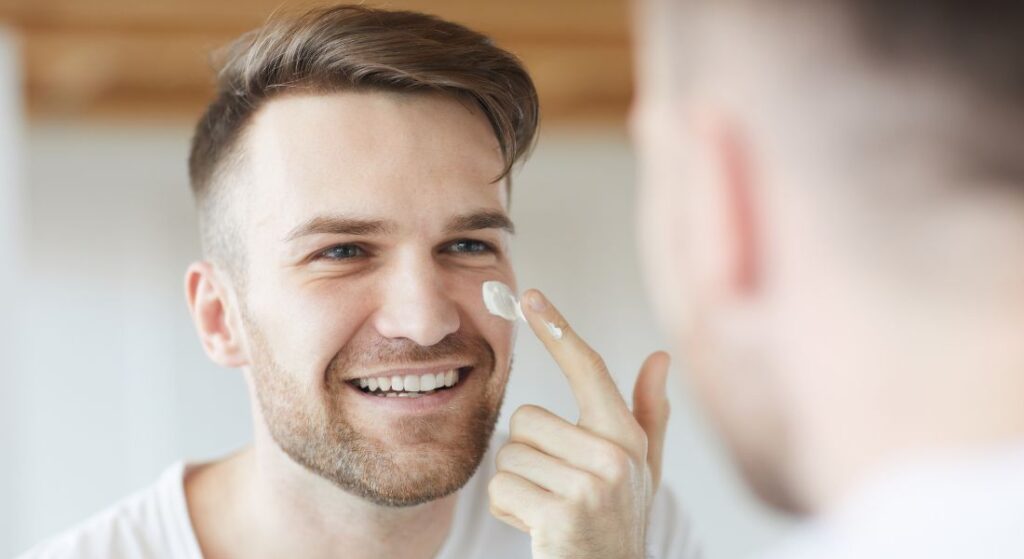
Daily skincare is a key part of managing rosacea effectively. Gentle cleansing with lukewarm water and mild, fragrance-free cleansers helps prevent irritation while keeping the skin clean. Regular moisturising also supports the skin’s natural barrier, reducing sensitivity and redness over time.
Sun protection is equally important, as exposure to sunlight can trigger flare-ups. Applying a broad-spectrum SPF 30 or higher every day helps protect the skin and minimise damage. Men should also avoid harsh products such as retinoids, alcohol-based toners, and strong exfoliants, which can worsen redness and inflammation.
Combining these simple skincare habits with medical therapy usually produces the best long-term results. By establishing a consistent routine and following professional guidance, men can manage rosacea more effectively and maintain healthier, calmer skin.
Lifestyle Adjustments That Complement Treatment
In addition to skincare and medical therapy, certain lifestyle changes can help manage rosacea more effectively. Eating anti-inflammatory foods, particularly those rich in omega-3 fatty acids, can support overall skin health and reduce inflammation. Staying well hydrated also helps maintain the skin’s natural barrier and resilience.
Limiting triggers such as alcohol or spicy foods is another important step, especially if they are known to provoke flare-ups. Being aware of personal triggers and adjusting your diet accordingly can make a noticeable difference in redness and irritation over time.
Managing stress is equally crucial, as tension and anxiety can worsen symptoms. Techniques such as meditation, yoga, or regular exercise can reduce stress levels and help minimise flare-ups. By combining these lifestyle adjustments with professional treatment, men can achieve better long-term control over rosacea and improve both skin health and overall wellbeing.
When to Seek Specialist Care
If your rosacea symptoms are severe, persistent, or affecting your confidence and daily life, visiting a specialist clinic can make a real difference. Men often present with unique patterns or more advanced changes, so expert assessment is key to effective management. Early intervention helps prevent further progression and ensures the best possible outcomes.
A rosacea treatment clinic in London, for example, provides access to dermatologists experienced in recognising male-specific presentations. These specialists can offer advanced laser therapies to treat visible blood vessels or rhinophyma, as well as tailored medical treatments to control inflammation.
Comprehensive care often combines medications, lifestyle advice, and procedural options for long-term management. By seeking specialist care promptly, you can reduce flare-ups, improve your appearance, and regain confidence in both your skin and everyday life.
Common Misconceptions About Male Rosacea
It’s important to address some common myths surrounding male rosacea. One misconception is that only women develop the condition. In reality, men are equally susceptible and often experience more severe symptoms, including thickened skin and prominent blood vessels.
Another myth is that redness or bumps are caused by poor hygiene. This is incorrect, as rosacea is an inflammatory skin condition and is not related to cleanliness. Assuming otherwise can lead to unnecessary embarrassment or delayed treatment.
Not all men with rosacea develop acne-like spots. Some may experience mainly redness, visible blood vessels, or thickened skin, particularly on the nose. Understanding these myths can help reduce stigma, encourage men to seek early treatment, and support better management of the condition.
FAQs:
1. What is rosacea, and how does it affect men differently from women?
Rosacea is a chronic inflammatory skin condition that causes facial redness, bumps, and visible blood vessels. In men, symptoms often appear more severe and may include thickening of the nose (rhinophyma) and ocular involvement.
2. What are the early signs of rosacea in men?
Early signs include persistent facial redness, visible small blood vessels (telangiectasia), occasional bumps or pustules, and flushing triggered by heat, alcohol, or stress.
3. Can rosacea in men affect the eyes?
Yes, ocular rosacea can cause red, dry, or irritated eyes, sensitivity to light, and in severe cases, blurred vision. Early detection is important to prevent complications.
4. Why do men sometimes develop more severe rosacea?
Hormonal factors, delayed treatment, genetic predisposition, and lifestyle triggers like alcohol or hot drinks can make symptoms more noticeable and accelerate progression in men.
5. What is rhinophyma, and why is it more common in men?
Rhinophyma is thickening and enlargement of the nose due to rosacea. It is linked to hormonal influences and is more frequently observed in men, sometimes affecting appearance and nasal function.
6. How can shaving affect male rosacea?
Shaving can irritate sensitive skin, worsening redness and inflammation. Gentle techniques, single-blade razors, or electric shavers, along with soothing aftercare, can reduce flare-ups.
7. What lifestyle factors trigger rosacea flare-ups in men?
Common triggers include alcohol, hot beverages, strenuous exercise, heat, and stress. Identifying and managing triggers can complement medical treatment.
8. What treatments are available for male rosacea?
Treatment may include topical creams (like metronidazole or azelaic acid), oral medications (like doxycycline), laser or light therapies, and surgical options for rhinophyma. A personalised approach is recommended.
9. How can men distinguish rosacea from other skin conditions?
Conditions like acne, seborrhoeic dermatitis, lupus, or contact dermatitis can mimic rosacea. Key differences include the pattern of redness, presence of blackheads, flaky patches, or systemic symptoms. A dermatologist can provide an accurate diagnosis.
10. When should men see a dermatologist for rosacea?
Men should seek specialist care if redness, bumps, visible vessels, or eye symptoms persist, worsen, or affect confidence. Early consultation prevents severe progression and ensures tailored treatment.
Final Thought: Taking Control of Male Rosacea
Understanding rosacea and how it specifically affects men is the first step toward managing this chronic skin condition effectively. Early recognition, combined with professional guidance, can prevent severe changes such as rhinophyma or ocular complications, improve daily comfort, and boost confidence. Gentle skincare, lifestyle adjustments, and timely medical intervention all play a role in keeping flare-ups under control.
If you’re considering a rosacea treatment clinic in London, contact us at London Dermatology Centre to book a consultation with one of our specialists. With personalised care, men can take proactive steps to manage rosacea, protect their skin, and maintain overall wellbeing.
References:
- Maden, S., 2023. Rosacea: An Overview of Its Etiological Factors, Pathogenesis, Classification and Therapy Options. Dermato, 3(4), pp.241–262. Available at: https://www.mdpi.com/2673-6179/3/4/19
- Rodrigues‑Braz, D., Zhao, M., Yesilirmak, N. et al., 2021. Cutaneous and ocular rosacea: Common and specific physiopathogenic mechanisms and study models. Experimental Dermatology, 27, pp.323–353. Available at: https://pmc.ncbi.nlm.nih.gov/articles/PMC8131178/
- Tüzün, Y., 2014. Rosacea and rhinophyma. Dermatologic Clinics, Volume 32, pp. central facial erythema, phymatous changes and inflammatory aspects. Available at: https://www.sciencedirect.com/science/article/abs/pii/S0738081X13000916
- Wolf, R., Kutlubay, Z., Karakuş, O. and Engin, B., 2014. Rosacea and rhinophyma. Clinical Dermatology, 32(1), pp.35–46. PubMed PMID: 24314376. Available at: https://pubmed.ncbi.nlm.nih.gov/24314376/
- Gether, L., Overgaard, L.K., Egeberg, A. and Thyssen, J.P., 2018. Incidence and prevalence of rosacea: a systematic review and meta‑analysis. British Journal of Dermatology, 179(2), pp.282–289. Available at: https://academic.oup.com/bjd/article-abstract/179/2/282/6730927