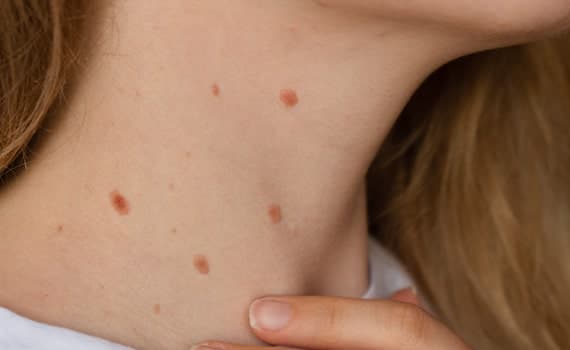
These birthmarks are usually red in colour and are caused by a malformation of blood vessels. This means that they appear when the blood vessels beneath the skin are either too wide, too narrow or too numerous. There are several types of vascular birthmark (see below) which present with different visual characteristics.
Macular Stains
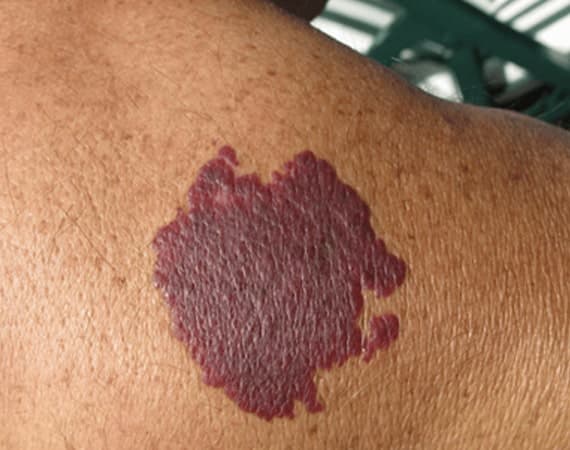
Port Wine Stains
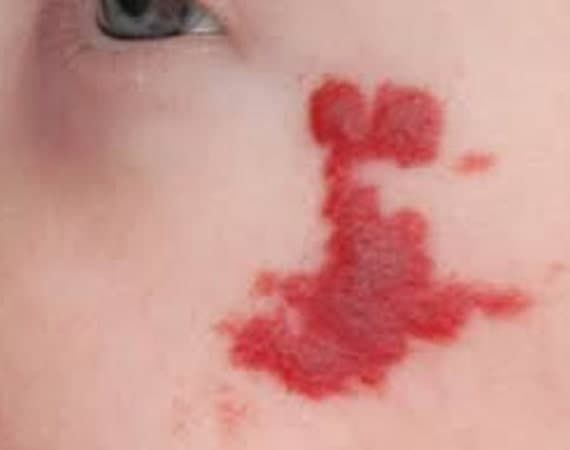
Infantile Haemangiomas
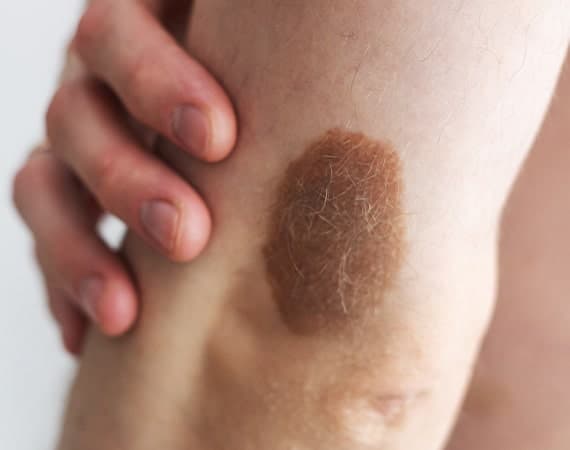
Nevus of Ota
Port wine stains usually appear on the extremities, neck or face and have a red, pink or purplish colour. These stains can start off large or small and tend to grow as the body develops and can vary between a few millimetres to several centimetres in size. In adulthood, they can also darken, thicken and become bumpy in texture. Port wine stains can affect a person's self-esteem and can even have a significant psychological impact. These birthmarks will not fade without treatment and are sometimes associated with increased pressure in the eye (glaucoma) and/or seizures when located on the face. Laser treatment can be an effective method in reducing the appearance of port wine stains. It works to destroy the blood vessels with minimal damage to the surrounding skin. Another option is cosmetic camouflage.
Nevus of Ota has a blue-black colour and, like port wine stains, is sometimes associated with eye disorders. These birthmarks are usually found on the forehead and around the eye. Around half of these naevi are present from birth while the other half begin to develop during puberty. People of Asian descent are more likely to bear these birthmarks. Laser treatment can remove or dramatically reduce the colouration of these marks. Another option is cosmetic camouflage. It is essential to consult with a dermatologist to determine the most appropriate treatment for your specific case. Early intervention can significantly improve the outcomes and reduce potential complications. At our clinic, we provide comprehensive care to help you manage and treat Nevus of Ota effectively.
Infantile haemangiomas (also called strawberry naevi) can be present above or below the skin's surface anywhere on the body. Superficial infantile haemangiomas usually appear as raised marks on the skin which are bright red, while deep infantile haemangiomas may be more bluish in colour. These infantile haemangiomas are not hereditary and are not a sign of ill health. Laser birthmark removal can be effective for treating infantile haemangiomas.
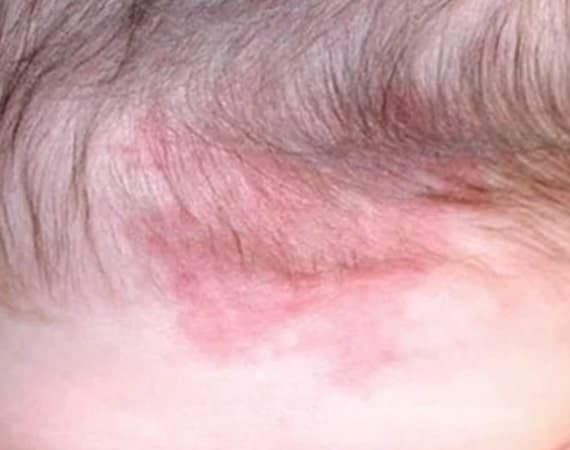
Macular stains (also called salmon patches) are the most common type of vascular birthmark. These are pale red marks which typically fade during early childhood, although they can remain into adulthood. These are most commonly found on the back of the neck, eyelids and forehead. These patches can become more noticeable when a baby cries. Since these birthmarks are harmless with a faint appearance they usually require no treatment.
Pigmented birthmarks are caused by an excess of the pigment melanin and are usually brown in colour. There are different types which manifest with different marks.
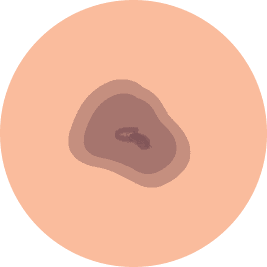
Mongolian spots are blue-black spots that usually appear on darker skinned children of African, Asian, Hispanic, American Indian or Southern European descent. These birthmarks are often mistaken for bruises but unlike a bruise, can last for months to years. Mongolian spots are often a few centimetres in diameter but can be larger. They occur on the lower back and buttocks and usually disappear spontaneously within four years, although they can persist.
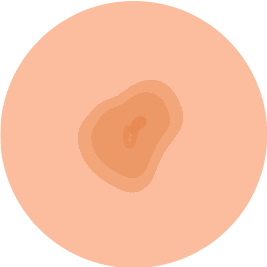
Café au lait spots are coffee coloured areas of skin. These light- to dark-brown marks can appear on any part of the body. These marks can multiply with age and vary in size. Having six or more of these spots by the time a child is 5 years old warrants further investigation. These spots can be a sign of a more serious medical condition called neurofibromatosis and should be assessed by a dermatologist.

Moles that are present from birth are known medically as congenital melanocytic naevi. Whereas those that appear later on in a person's life are called acquired naevi. These common marks can be brown or black in colour and sometimes have hair growing from them. They are caused by an excess growth of pigmented cells in the skin. Very large congenital nevus can be a risk factor for developing melanoma later in life and should be regularly monitored by a doctor.
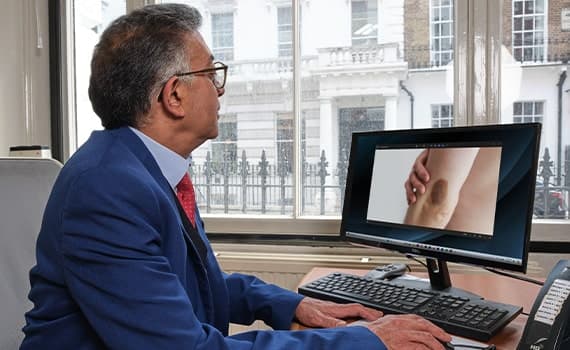

We treat a range of vascular and pigmented birthmarks, including port-wine stains, haemangiomas and café-au-lait spots. Each birthmark is assessed individually to determine whether laser therapy is appropriate.
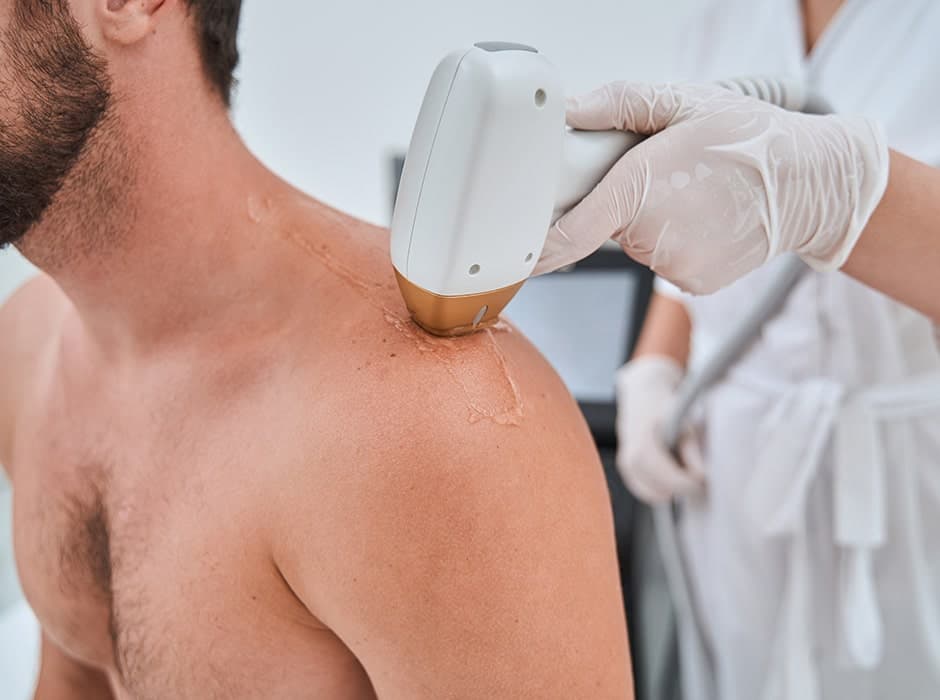
The laser targets pigment or blood vessels in the birthmark without damaging surrounding skin. This gradually reduces its appearance over a series of sessions.
Most birthmarks require multiple sessions for noticeable fading. The exact number depends on the type, size and depth of the birthmark.
Yes, laser birthmark removal can be safely performed on children. Our dermatologists use age-appropriate protocols to ensure comfort and safety throughout the process.
Laser treatments are designed to minimise skin trauma and do not typically cause scarring. Our team takes great care to reduce any risk of pigmentation changes or skin texture issues.
Most patients describe the sensation as a mild snapping feeling against the skin. For added comfort, we can use cooling devices or topical anaesthetic if needed.
Downtime is minimal, and most people return to daily activities immediately. You may experience some temporary redness or swelling in the treated area.
Treated birthmarks usually do not return, though some types may fade only partially or need maintenance sessions. Your dermatologist will discuss what results to realistically expect in your case.
0207 467 3720
0207 467 3729
reception@the-dermatology-centre.co.uk
Monday - Friday: 9.00 AM - 5.30 PM
Saturday & Sunday: Closed
69 Wimpole Street,
London W1G 8AS.
Reach out to our laser birthmark removal clinic in London today. Our experienced dermatologists specialise in quick and efficient removal with minimal scarring. Complete the enquiry form or call us on 0207 467 3720 to begin the process.


 Message Us