Basal cell carcinoma is a type of non-melanoma skin cancer that arises from the basal cells in the outer layer of the skin (epidermis). It is primarily caused by long-term exposure to ultraviolet (UV) light from the sun or tanning beds. Although it is rarely life-threatening, BCC can become locally invasive and disfiguring without appropriate treatment.
Common signs of BCC include:
BCC typically develops on sun-exposed areas such as the face, scalp, ears, neck, shoulders, and back.

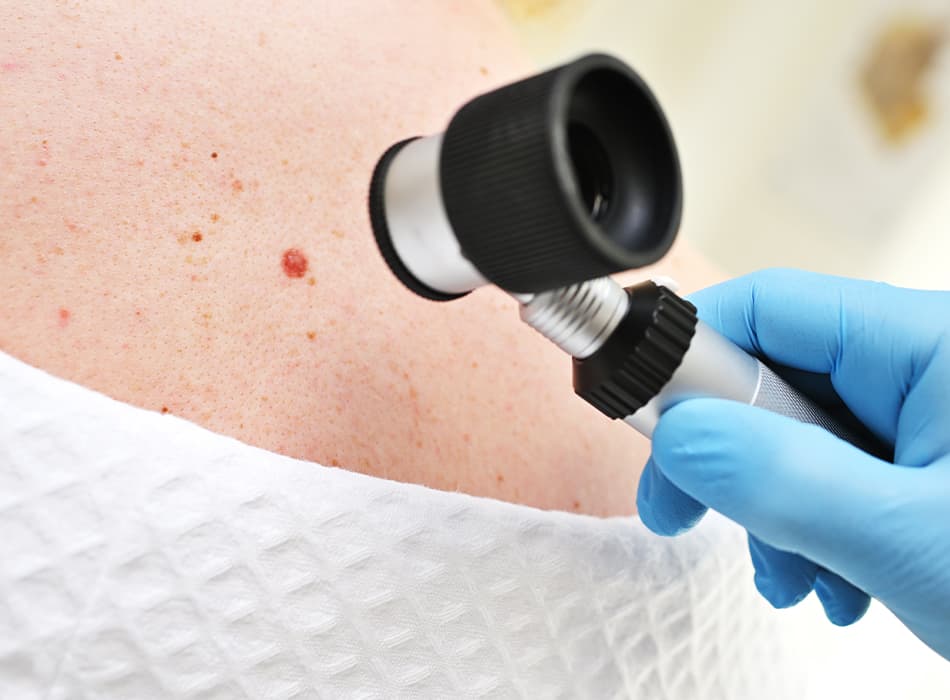
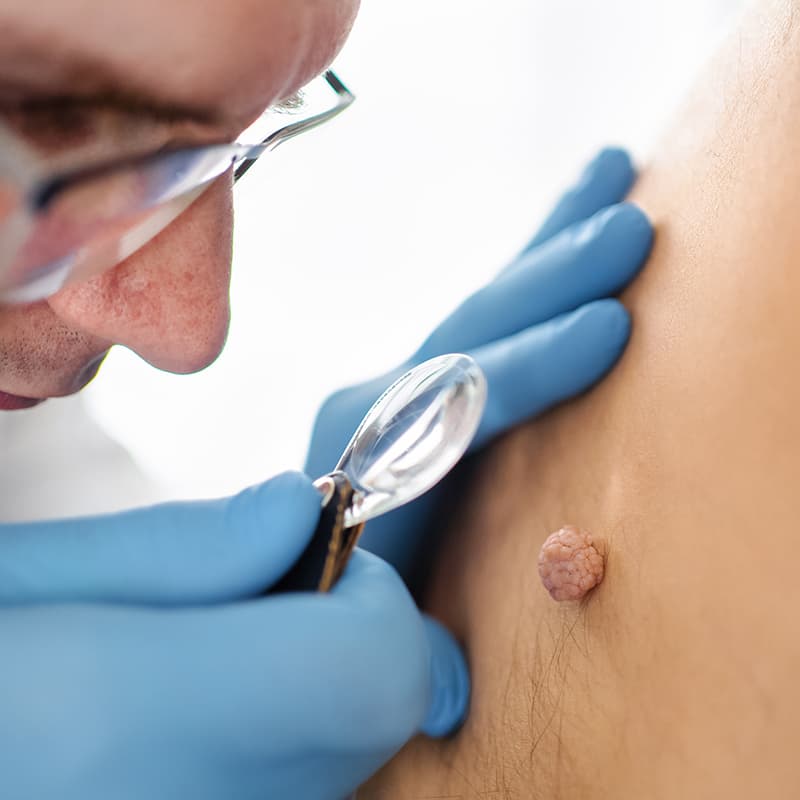
Our dermatologists will begin by carefully assessing your lesion, using tools such as a dermatoscope to examine it in detail. In many cases, a skin biopsy will be performed to confirm the diagnosis before treatment begins.
Depending on the type and extent of the BCC, we offer several effective treatment options.
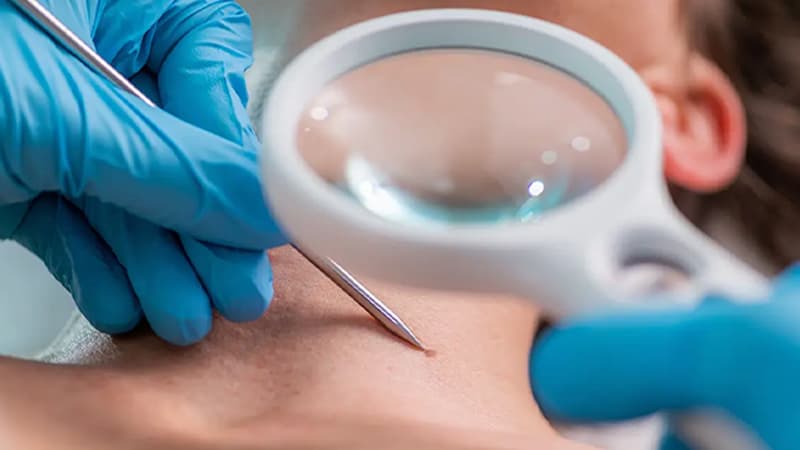
This is the most common and reliable treatment for BCC. The lesion is removed along with a small margin of surrounding skin. The area is then closed with stitches or reconstructed using advanced surgical techniques if needed.
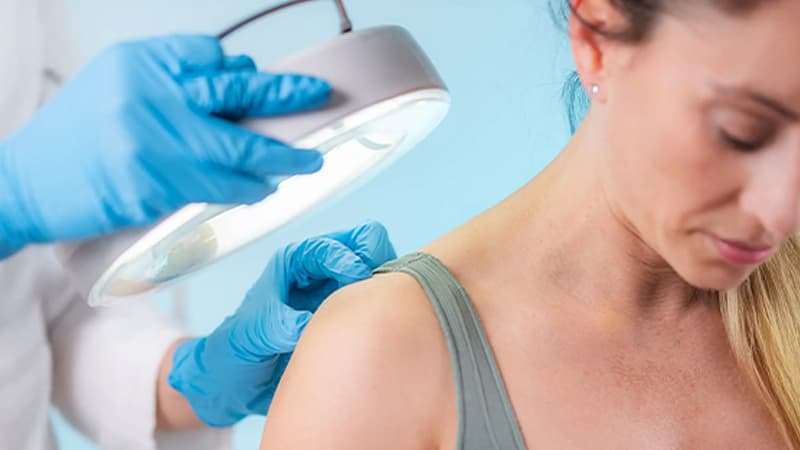
Suitable for small, superficial BCCs, this method involves scraping away the lesion and using heat to destroy any remaining cancerous cells.
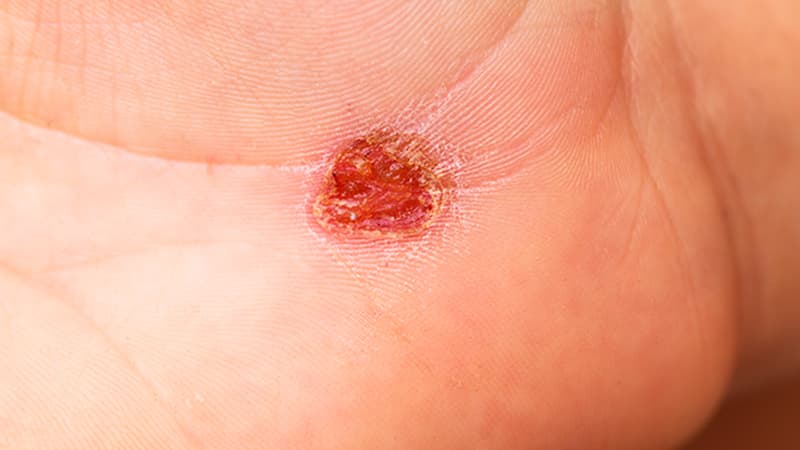
For high-risk or facial BCCs, we may refer patients for Mohs surgery, which involves removing the cancer layer by layer and examining each under a microscope until no abnormal cells remain.

In certain superficial cases, prescription creams such as imiquimod or 5-fluorouracil (5-FU) may be used to stimulate the immune system or destroy abnormal cells.
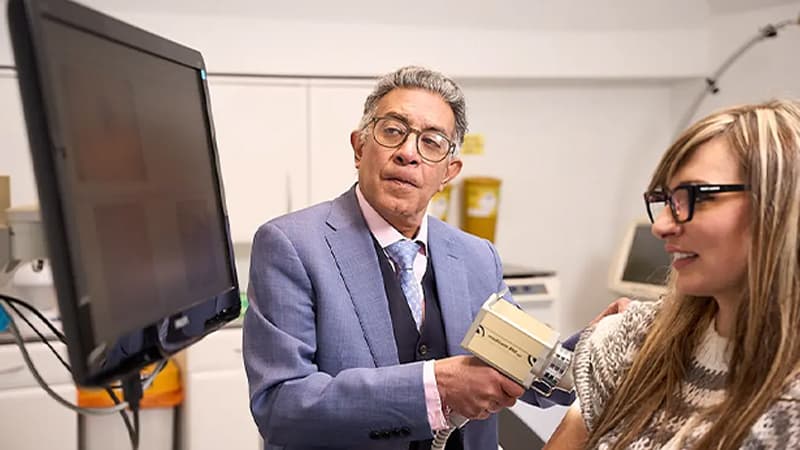
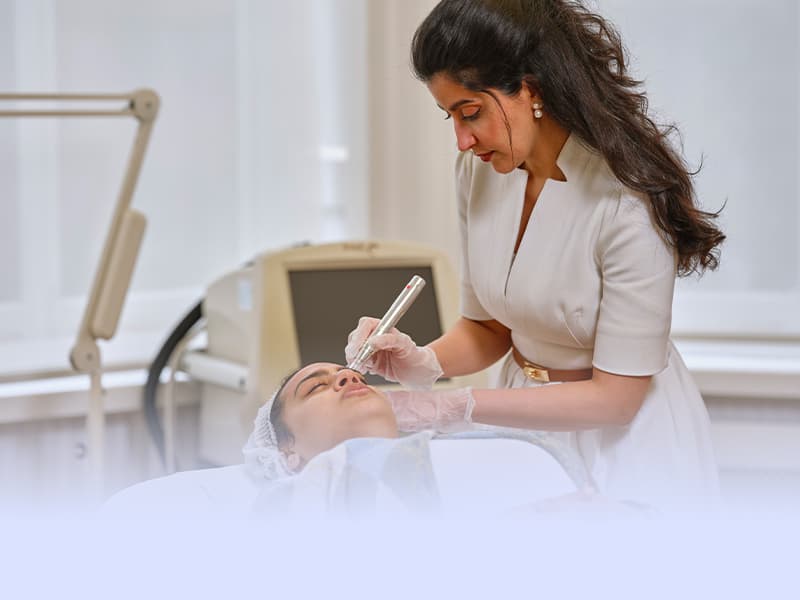
This involves applying a photosensitising cream to the skin and then activating it with a specific light source. It selectively destroys cancerous cells while preserving surrounding tissue.

Our team of consultant dermatologists offers expert diagnosis and treatment of all forms of skin cancer, including BCC. We combine clinical experience with a patient-first approach to ensure you feel informed, supported, and confident in your care.
We also provide follow-up care, skin checks, and education to help reduce the risk of future skin cancers.

Your Consultation
Basal cell carcinoma is primarily caused by long-term exposure to ultraviolet (UV) radiation from the sun or tanning beds. Fair skin, a history of sunburns, older age, and a weakened immune system can also increase the risk of developing BCC.
BCC is considered a low-risk skin cancer because it rarely spreads to other parts of the body. However, it can become locally invasive, damaging skin, tissue, and even bone if left untreated—especially on the face or near the eyes, nose, or ears.
BCC often appears as a shiny or pearly bump, a flat scar-like area, or a sore that doesn't heal. It may bleed easily or develop a crust. Any lesion that changes in appearance or doesn't go away should be examined by a dermatologist.
A dermatologist will examine the lesion using a dermatoscope and may take a skin biopsy to confirm the diagnosis. The biopsy involves removing a small piece of the lesion under local anaesthetic and sending it to a lab for analysis.
Surgical excision is the most common and effective treatment, offering a high cure rate. Other options include curettage and cautery, topical creams, photodynamic therapy, or Mohs micrographic surgery for high-risk or facial BCCs.
If you undergo surgical excision, stitches are typically required. For other treatments such as curettage or topical creams, stitches are not needed. Your dermatologist will explain the procedure and aftercare during your consultation.
Most treatments are performed under local anaesthetic and are not painful. You may experience some mild discomfort during recovery, but this is usually well managed with simple pain relief and proper wound care.
Yes, BCC can recur in the same area or develop elsewhere on the body. Follow-up skin checks and sun protection are important to monitor for recurrence or new lesions, especially if you've had BCC before.
While not all cases can be prevented, you can reduce your risk by wearing broad-spectrum sunscreen daily, avoiding tanning beds, wearing protective clothing, and checking your skin regularly for any new or changing lesions.
You can book a consultation by calling us on 020 7467 3720 or using our booking form. Our friendly team will be happy to arrange your visit and answer any questions.
0207 467 3720
0207 467 3729
reception@the-dermatology-centre.co.uk
Monday - Friday: 9.00 AM - 5.30 PM
Saturday & Sunday: Closed
69 Wimpole Street,
London W1G 8AS.
If you’ve noticed a suspicious skin lesion or have been diagnosed with basal cell carcinoma, we’re here to help. Early treatment leads to the best results—both medically and cosmetically.
Call us on 020 7467 3720 or use our contact form to arrange your consultation at the London Dermatology Centre.



 Message Us