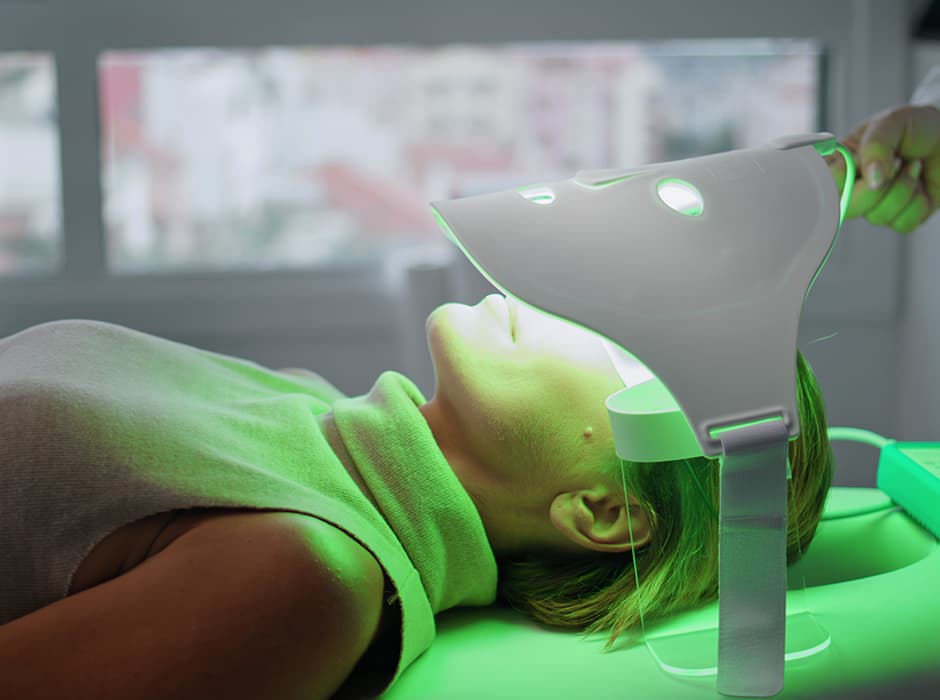
Photodynamic therapy combines a topical photosensitising agent (usually a cream) with a controlled light source. The cream is absorbed by abnormal or cancerous skin cells and, when activated by light, triggers a reaction that selectively destroys those cells.
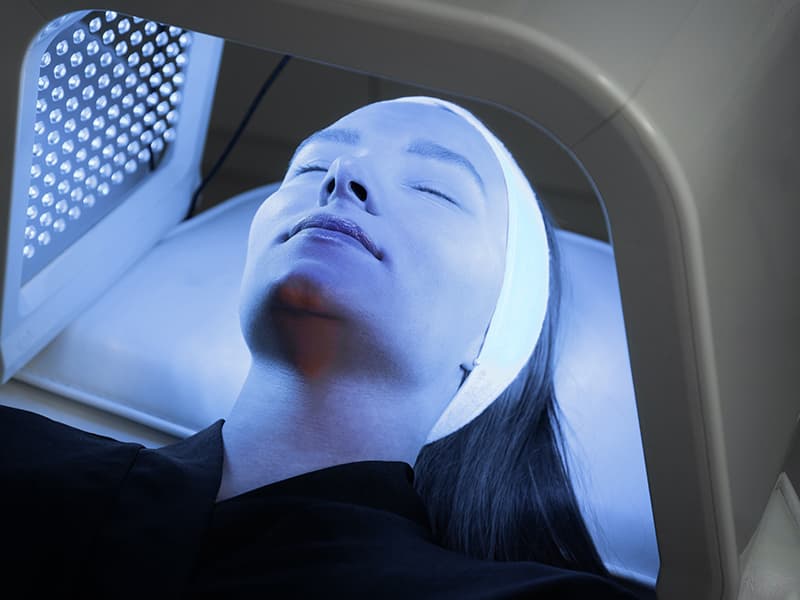

This targeted process makes PDT especially useful for:
PDT is a day treatment and does not require surgery or general anaesthetic.
The procedure takes place in stages:
The treatment is precise, preserves healthy tissue, and results in minimal scarring.

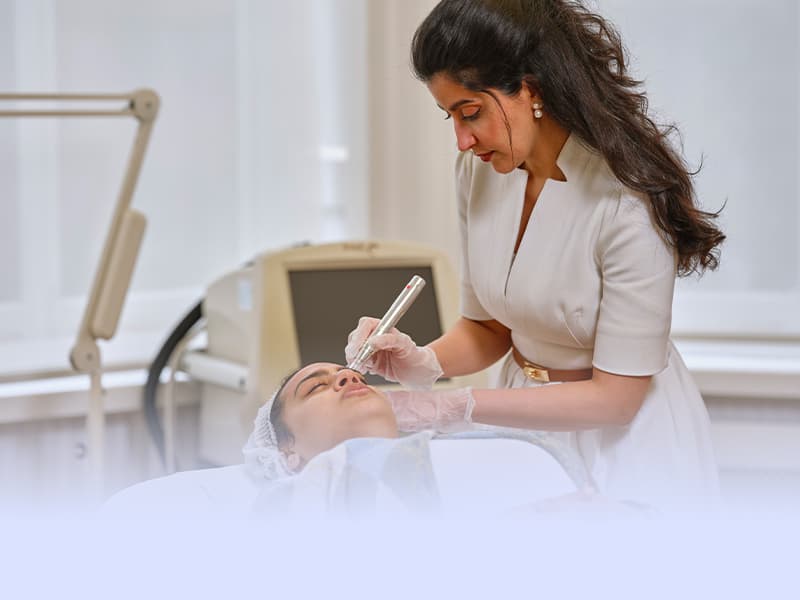
Photodynamic therapy is commonly used to treat:
It can also be used in selected cosmetic settings to improve skin texture and reduce visible sun damage.
PDT is particularly valued for treating lesions in areas where scarring would be more noticeable or where surgery could be more complex.
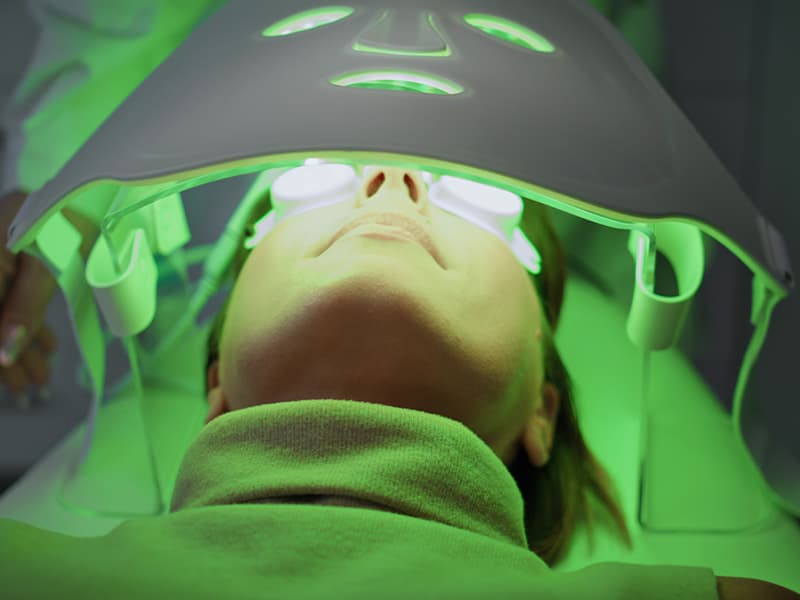
Our consultant dermatologists have extensive experience in managing sun-damaged skin and early skin cancers. We offer photodynamic therapy as part of a comprehensive range of treatments, ensuring you receive care that is both effective and appropriate to your condition.

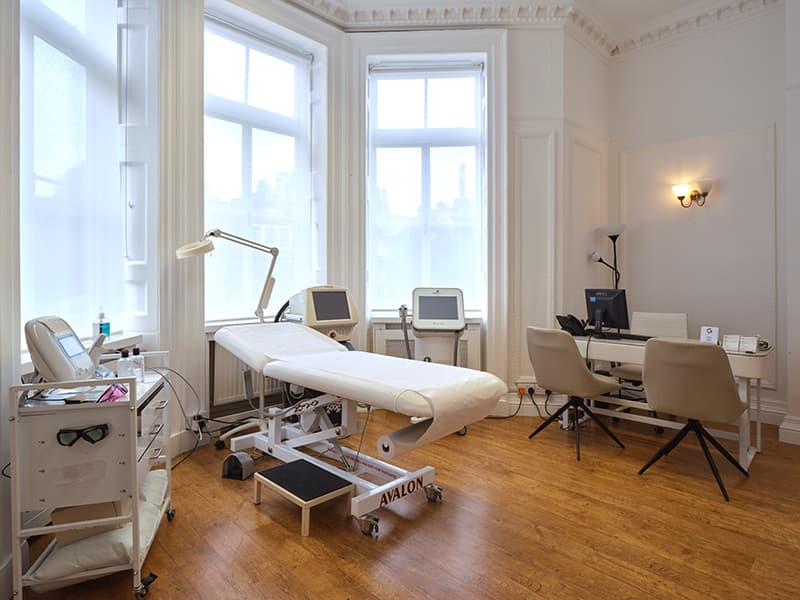
We prioritise comfort, cosmetic outcomes, and long-term skin health—ensuring your treatment is both medically sound and minimally disruptive.

Your Consultation
Before PDT is recommended, one of our dermatologists will assess your skin in detail. We’ll confirm the diagnosis (and may take a biopsy if needed), explain the benefits and limitations of PDT, and provide all the information you need to make an informed decision.
We also provide aftercare advice to ensure your skin heals well and to help you prevent further sun damage in future.
Before PDT is recommended, one of our dermatologists will assess your skin in detail. We’ll confirm the diagnosis (and may take a biopsy if needed), explain the benefits and limitations of PDT, and provide all the information you need to make an informed decision.
We also provide aftercare advice to ensure your skin heals well and to help you prevent further sun damage in future.
PDT is most commonly used to treat actinic keratoses (pre-cancerous sun-damaged patches), Bowen’s disease (a type of early skin cancer), and superficial basal cell carcinoma. It can also help address widespread sun damage on areas like the face, scalp, chest, or hands.
Some patients experience a stinging or burning sensation during the light activation phase of treatment. This usually lasts for a few minutes and is managed with cooling fans or short breaks. Discomfort typically fades soon after the session is complete.
The total time depends on the area being treated but typically takes 2–4 hours. This includes the application of the cream, a waiting period (1–3 hours) for absorption, and light exposure (usually 5–10 minutes). You’ll be able to return home the same day.
You may experience redness, peeling, swelling, or mild crusting in the treated area—similar to a sunburn. These effects usually resolve within 7–10 days. We provide detailed aftercare instructions and recommend avoiding direct sunlight for a few days post-treatment.
This depends on the condition being treated. Many patients only need one or two sessions. For more extensive or persistent sun damage, a repeat session may be advised after several weeks. Your dermatologist will guide you on the best plan.
Yes, PDT is commonly used on the face, scalp, and other sun-exposed areas. It’s especially useful for treating multiple lesions in one session and leaves minimal scarring, making it ideal for visible areas.
For certain early or superficial skin cancers, PDT can be a non-surgical alternative. However, it’s not suitable for deeper or more aggressive tumours. Your dermatologist will assess your condition and advise if PDT is appropriate.
You may wish to take a day or two off, especially if the treatment is on the face, as there can be temporary redness and peeling. However, most patients return to normal activities the day after treatment.
Side effects are usually mild and temporary, including redness, swelling, crusting, and light sensitivity for a few days. Serious side effects are rare when PDT is performed by trained professionals.
Call us on 020 7467 3720 or use our contact form to arrange your consultation. Our team will be happy to guide you through the process and answer any questions.
0207 467 3720
0207 467 3729
reception@the-dermatology-centre.co.uk
Monday - Friday: 9.00 AM - 5.30 PM
Saturday & Sunday: Closed
69 Wimpole Street,
London W1G 8AS.
If you’ve been diagnosed with actinic keratoses, Bowen’s disease, or a superficial basal cell carcinoma—or if you have visible sun damage that’s bothering you—photodynamic therapy may be an ideal solution.
Call us on 020 7467 3720 or use our contact form to book your consultation at the London Dermatology Centre.



 Message Us