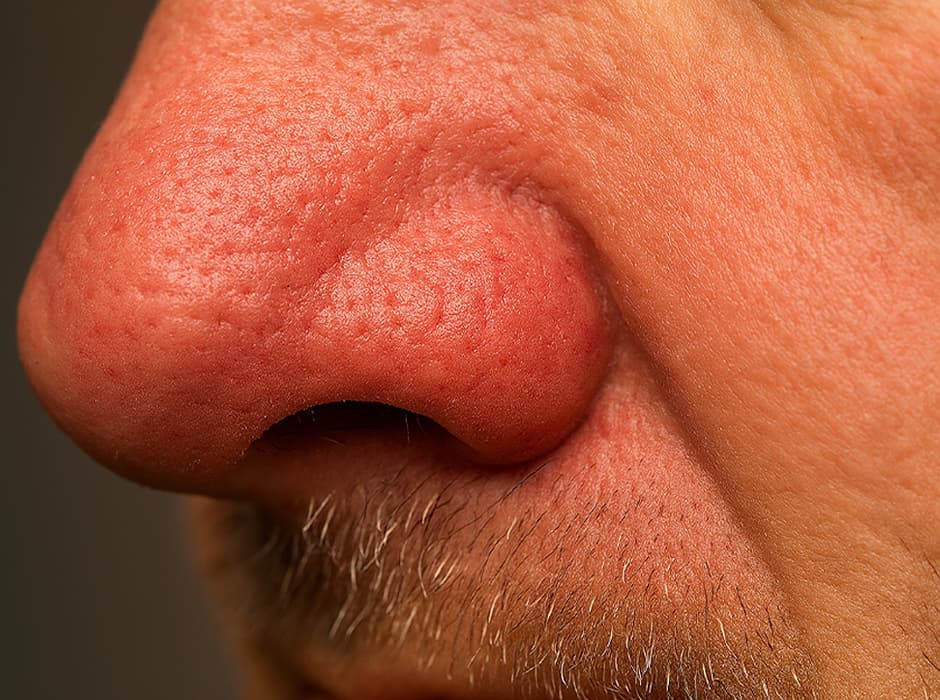
Rhinophyma is a progressive condition that leads to the thickening of the skin on the nose due to an overgrowth of sebaceous (oil) glands and connective tissue. It typically develops over time and is more common in men than women, especially in those with a long-standing history of rosacea.
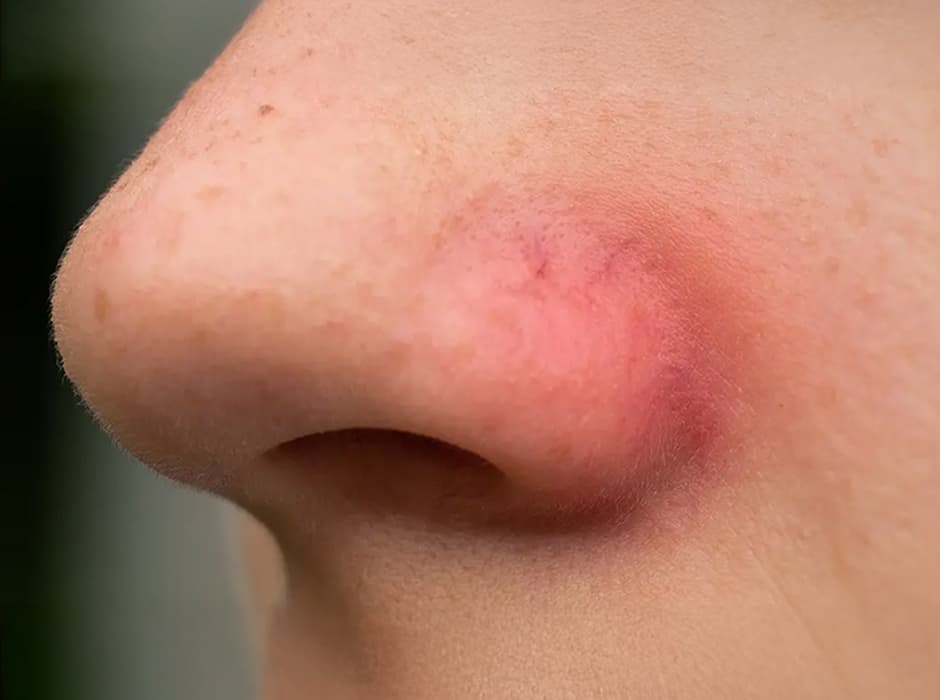

Common signs include:
The condition is not caused by alcohol, despite popular misconceptions, although alcohol may exacerbate the symptoms in some people.

We offer a range of rhinophyma treatment options depending on the severity of the condition and the individual needs of the patient. These include:
In mild cases or early stages, we may recommend medications to control underlying rosacea and reduce inflammation. These can include:
Laser therapy is often highly effective for reducing excess tissue and improving the appearance of the nose. We offer several laser options, including:
For more severe cases, surgical reshaping may be required to remove bulky tissue and restore the natural contours of the nose. This is done with meticulous care to preserve function and achieve a more balanced aesthetic outcome. Techniques may involve:
Our consultant dermatologists and surgeons work together to ensure optimal cosmetic and medical results.
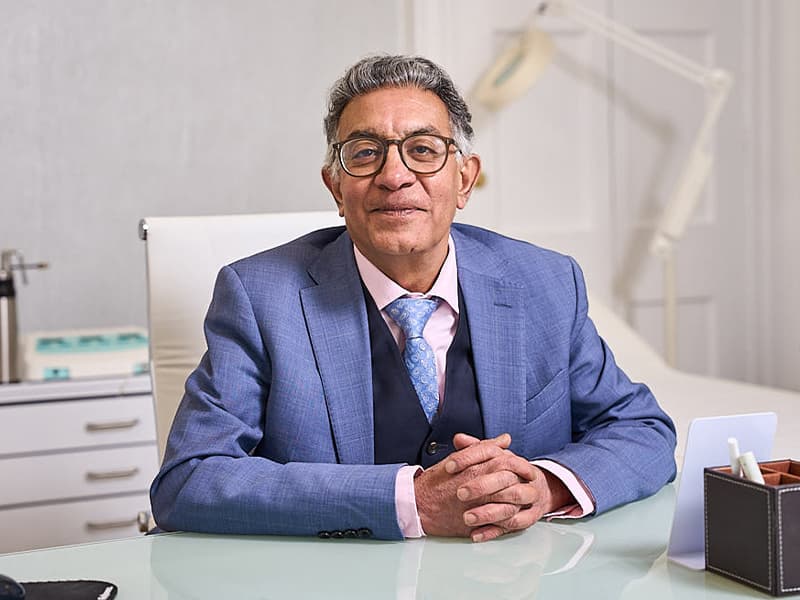
At the London Dermatology Centre, our consultants have extensive experience in treating complex dermatological conditions such as rhinophyma. We combine advanced treatment methods with a personalised, compassionate approach to ensure you feel confident and supported throughout your care.
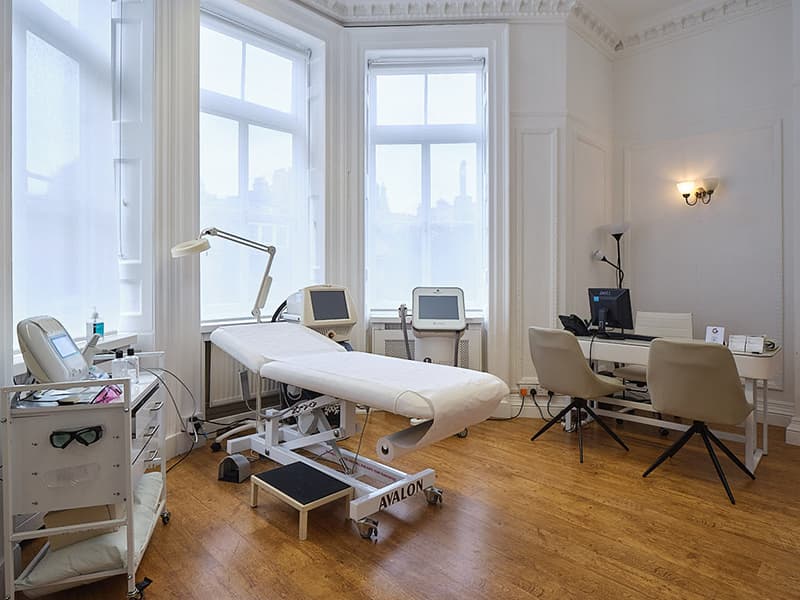
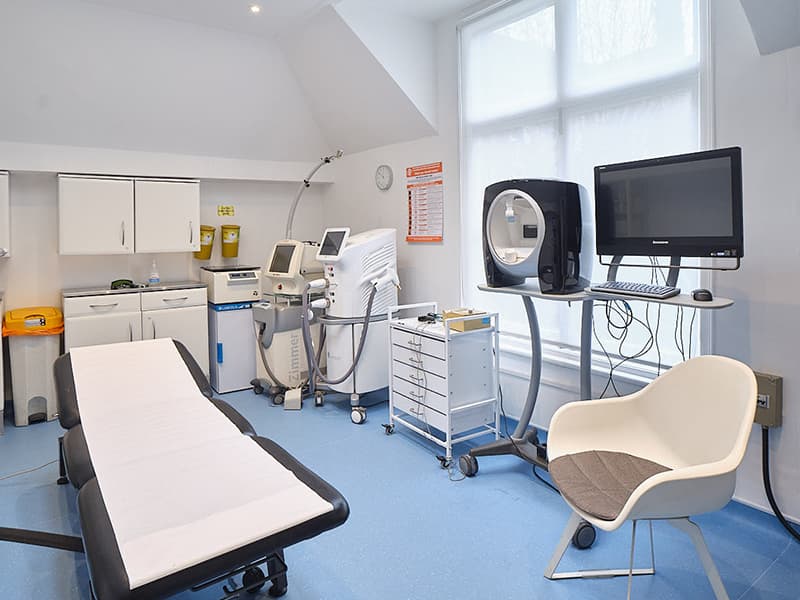
Whether you're looking for early treatment or exploring corrective options, we're here to help.
Rhinophyma is most commonly linked to long-standing rosacea, particularly the subtype known as phymatous rosacea. While the exact cause isn't fully understood, it involves inflammation and overgrowth of sebaceous glands in the skin. Factors such as genetics, sun exposure, and untreated rosacea may contribute to its development.
No, rhinophyma is not caused by alcohol. While alcohol can trigger facial flushing and worsen rosacea symptoms in some individuals, the belief that alcohol directly causes rhinophyma is a myth. The condition can occur in people who do not drink alcohol at all.
Rhinophyma is a progressive condition and does not typically resolve without treatment. In fact, it can gradually worsen over time if left untreated. Early medical intervention can help manage symptoms and slow progression, while advanced cases may require laser or surgical treatment.
Rhinophyma is diagnosed clinically by a dermatologist based on the characteristic appearance of the skin, particularly the thickening and irregularity of the nose. In some cases, further evaluation may be done to rule out other skin conditions, but a biopsy is rarely needed.
The most suitable treatment depends on how advanced your rhinophyma is and whether active inflammation is present. Our dermatologists will assess your condition during a consultation and recommend a personalised treatment plan, which may include medication, laser therapy, or surgical reshaping.
Medical and topical treatments are generally well tolerated. Laser and surgical procedures are performed under local anaesthetic, so you shouldn't feel pain during the procedure itself. Some mild discomfort or sensitivity can be expected during the healing process, but this is typically manageable with aftercare advice we provide.
Recovery time varies depending on the treatment used. Most patients resume normal activities within a few days after laser treatment, though healing can take up to two weeks. Surgical procedures may require slightly longer downtime, and we'll provide detailed post-treatment instructions to help your recovery go smoothly.
This depends on the severity of your rhinophyma and the treatment method used. Some patients achieve excellent results after one session, especially with surgery or ablative laser. Others may benefit from a staged approach or additional follow-ups for optimal results.
Rhinophyma can recur if the underlying rosacea is not managed properly. That's why we often recommend ongoing rosacea treatment and regular dermatology reviews to help maintain your results and prevent further progression.
You can book a consultation by calling us on 020 7467 3720 or filling out our online booking form. Our friendly team will be happy to schedule your appointment and answer any additional questions you may have.

Your Consultation
During your initial consultation, one of our dermatology consultants will assess your skin and discuss your medical history and treatment goals. A personalised treatment plan will then be created, which may involve one or more of the approaches outlined above.
We will also provide advice on ongoing skin care and management of rosacea to help prevent further progression.
During your initial consultation, one of our dermatology consultants will assess your skin and discuss your medical history and treatment goals. A personalised treatment plan will then be created, which may involve one or more of the approaches outlined above.
We will also provide advice on ongoing skin care and management of rosacea to help prevent further progression.
0207 467 3720
0207 467 3729
reception@the-dermatology-centre.co.uk
Monday - Friday: 9.00 AM - 5.30 PM
Saturday & Sunday: Closed
69 Wimpole Street,
London W1G 8AS.
If you're concerned about rhinophyma or want to explore treatment options, we encourage you to book a consultation at the London Dermatology Centre. Our expert team is here to guide you through each step and help you regain confidence in your appearance.


 Message Us