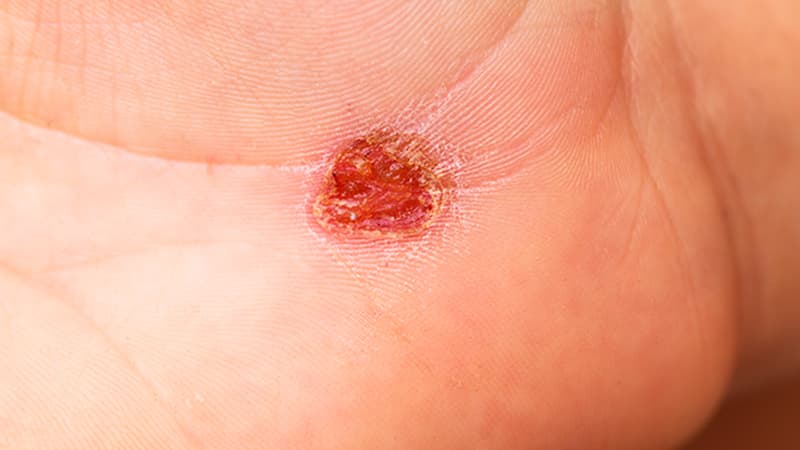
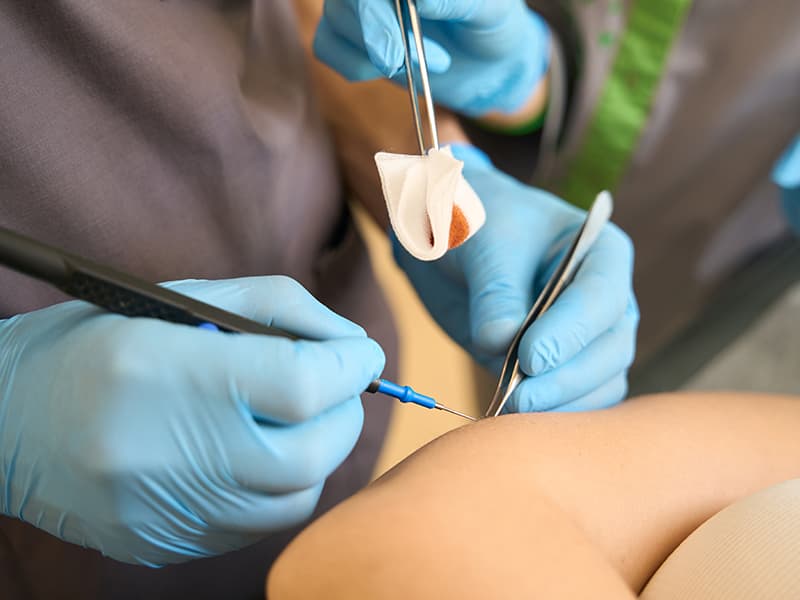
Mohs surgery involves removing cancerous skin tissue in very thin layers and examining each layer under a microscope immediately after removal. The process continues layer by layer until no cancer cells remain. This ensures complete removal of the cancer while sparing as much surrounding healthy tissue as possible.
Mohs surgery is especially useful for:
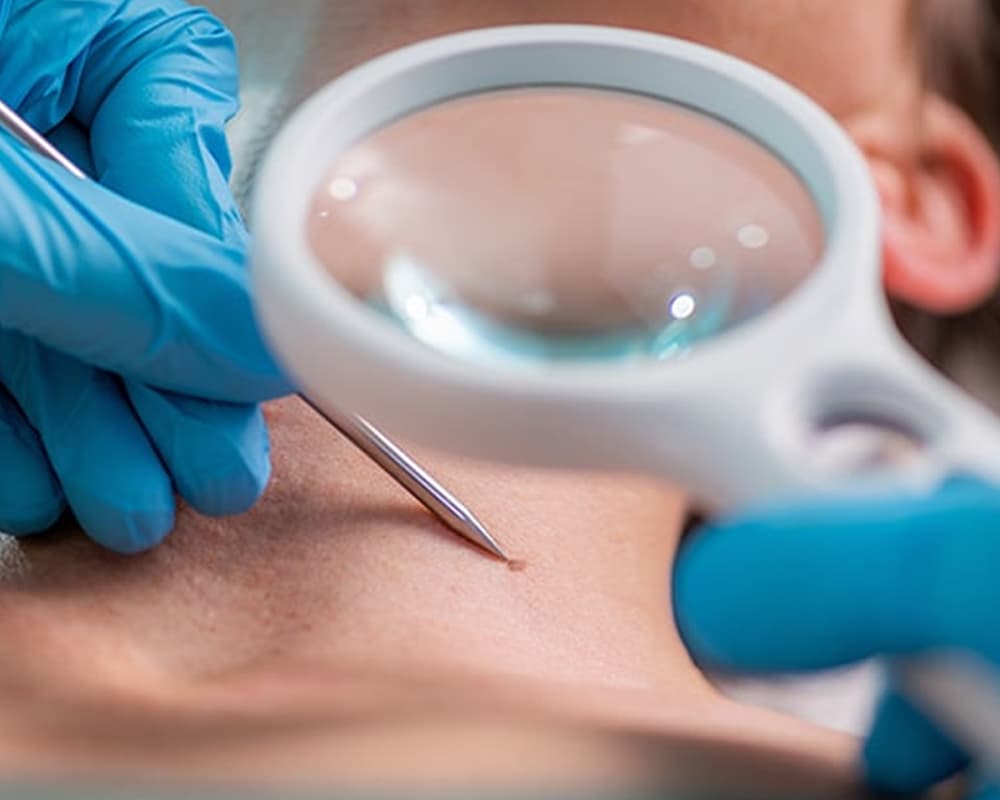
Why Choose Mohs Surgery?
Compared to standard surgical excision, Mohs surgery offers several significant advantages:
These benefits make Mohs surgery the preferred option for high-risk skin cancers and those in areas where appearance and function are a priority.
Compared to standard surgical excision, Mohs surgery offers several significant advantages:
These benefits make Mohs surgery the preferred option for high-risk skin cancers and those in areas where appearance and function are a priority.
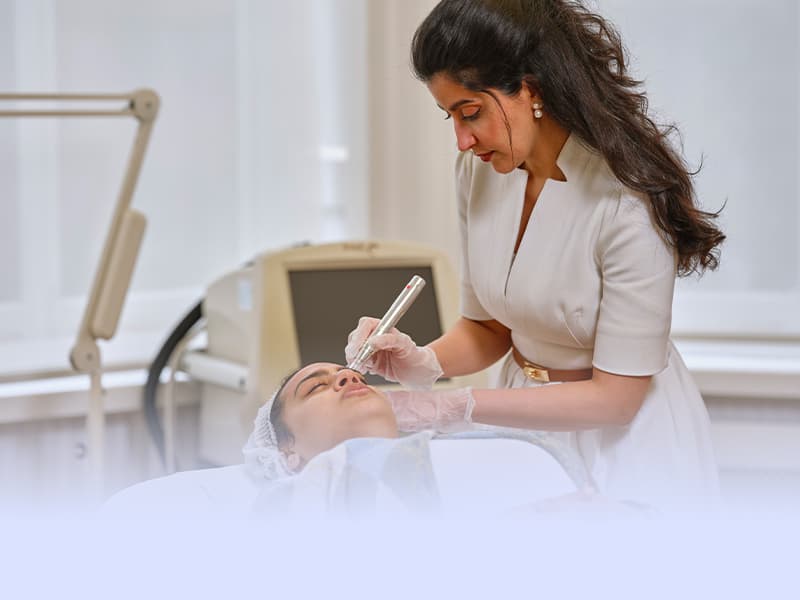
Most patients can go home the same day. You may experience mild swelling, bruising, or tenderness for a few days. We provide detailed aftercare instructions to help your wound heal and minimise scarring. Stitches are usually removed within one to two weeks, depending on the location.
Follow-up appointments are scheduled to check your healing and to monitor for any signs of recurrence.
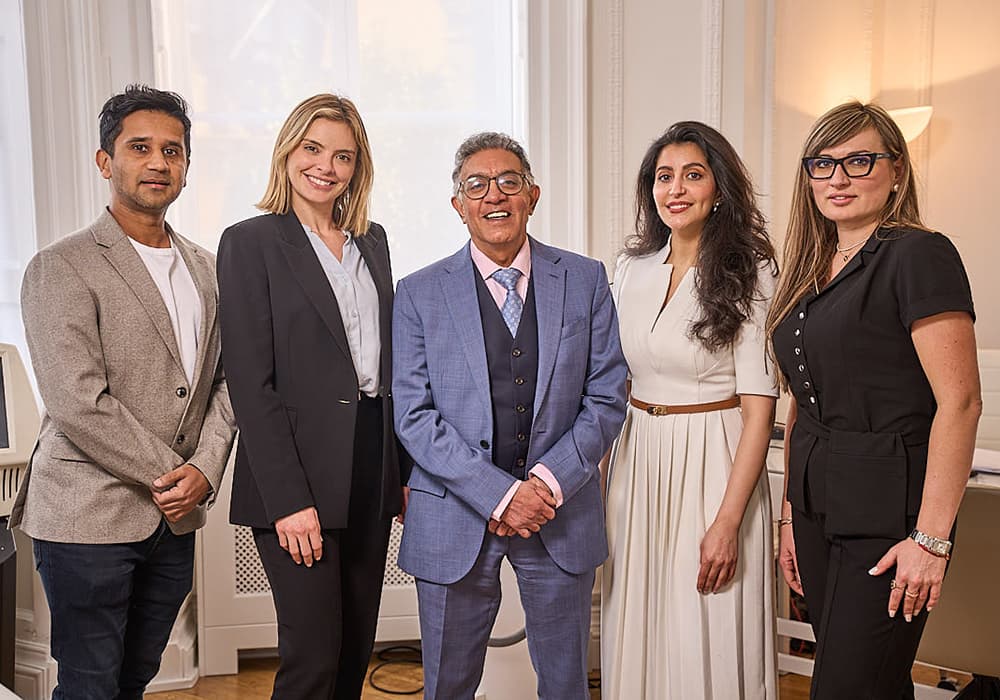
We work with highly experienced, fellowship-trained Mohs surgeons to deliver exceptional surgical and cosmetic outcomes. Our approach combines precision cancer removal with careful reconstruction to maintain both skin health and appearance.
Your Consultation
Mohs surgery is most often used for basal cell carcinoma (BCC) and squamous cell carcinoma (SCC), especially when they are high-risk, recurrent, or located in areas where preserving healthy tissue is important. In certain cases, it may also be used for rare skin cancers such as dermatofibrosarcoma protuberans (DFSP).
Mohs surgery offers the highest cure rates while removing the smallest possible amount of healthy skin. Each layer of tissue is examined immediately during the procedure, ensuring all cancer cells are removed before the wound is closed.
The time varies depending on how many layers need to be removed and examined. Most patients should expect to be at the clinic for several hours. The process is meticulous to ensure complete cancer removal.
Any surgery will leave a scar, but Mohs surgery aims to minimise this by preserving as much healthy tissue as possible. Our surgeons also use advanced reconstruction techniques to achieve the best cosmetic result.
The procedure is carried out under local anaesthetic, so you shouldn’t feel pain during the surgery. Some mild discomfort, swelling, or bruising may occur afterwards, which can be managed with over-the-counter pain relief.
Most patients return to normal daily activities within a few days, though strenuous exercise should be avoided until your dermatologist advises it’s safe. Stitches are usually removed within one to two weeks.
While Mohs surgery has the lowest recurrence rates of any skin cancer treatment, no method is 100% guaranteed. Regular skin checks are important to monitor for any new or recurrent cancers.
No. Mohs surgery is typically reserved for high-risk skin cancers or those in sensitive areas. Your dermatologist will advise if Mohs is the most appropriate option for your case.
We’ll provide clear instructions before your surgery, which may include stopping certain medications and arranging for someone to accompany you if needed. Wear comfortable clothing and be prepared to spend a few hours at the clinic.
You can book a consultation by calling us on 020 7467 3720 or by using our contact form. Our team will arrange your appointment and answer any questions.
0207 467 3720
0207 467 3729
reception@the-dermatology-centre.co.uk
Monday - Friday: 9.00 AM - 5.30 PM
Saturday & Sunday: Closed
69 Wimpole Street,
London W1G 8AS.
If you’ve been diagnosed with skin cancer and want to know if Mohs surgery is right for you, contact the London Dermatology Centre today. Call us on 020 7467 3720 or use our contact form to arrange your consultation.


 Message Us