Scar Treatment Clinic London



Personalised Care and Ongoing Support
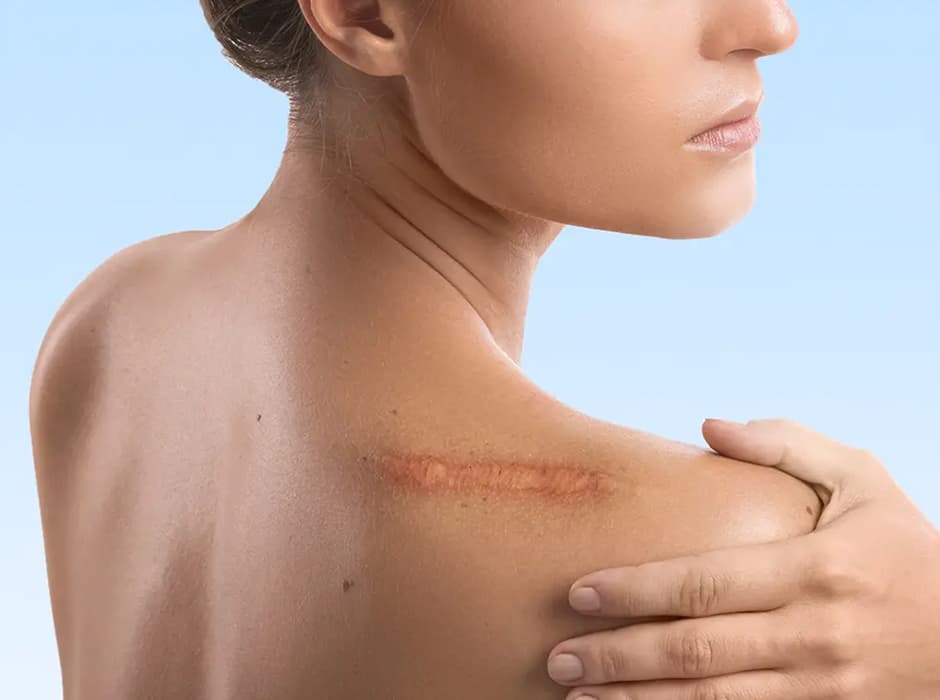
Most scars can be improved with the right approach, including acne scars, surgical scars, and keloids. Some treatments are better suited for raised scars, while others work well for indented or discoloured marks. Your dermatologist will match the treatment to your specific type of scar for the best results.
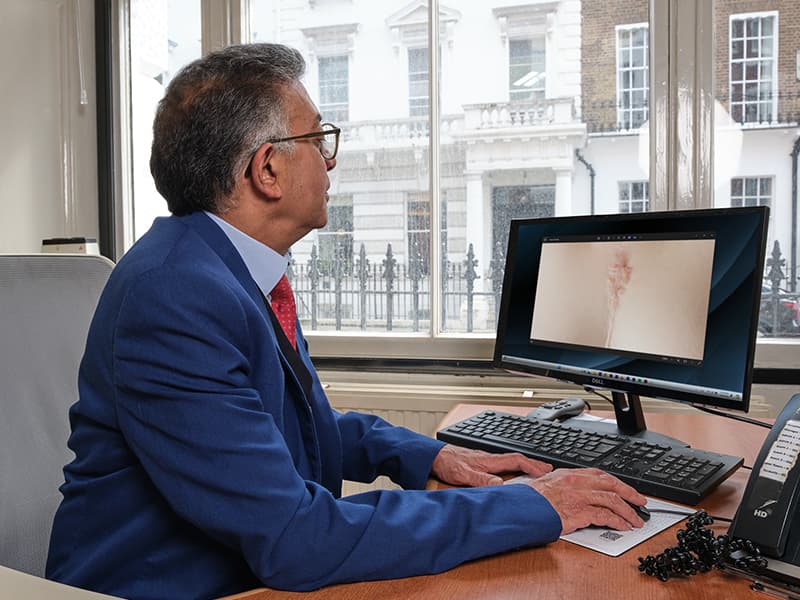
The number of sessions depends on the type and severity of your scar, as well as the treatment chosen. Some scars respond well after just one or two sessions, while others may need a course of several treatments. During your consultation, your dermatologist will give you a clear idea of what to expect.
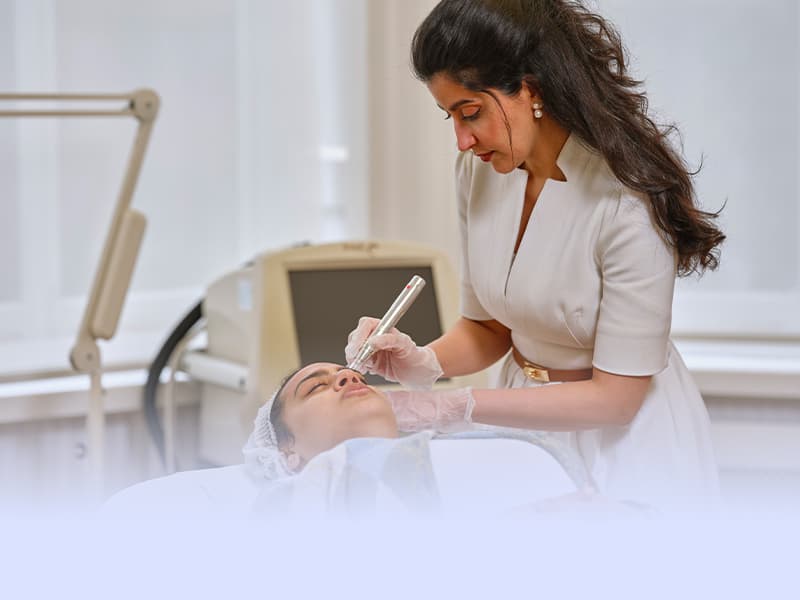
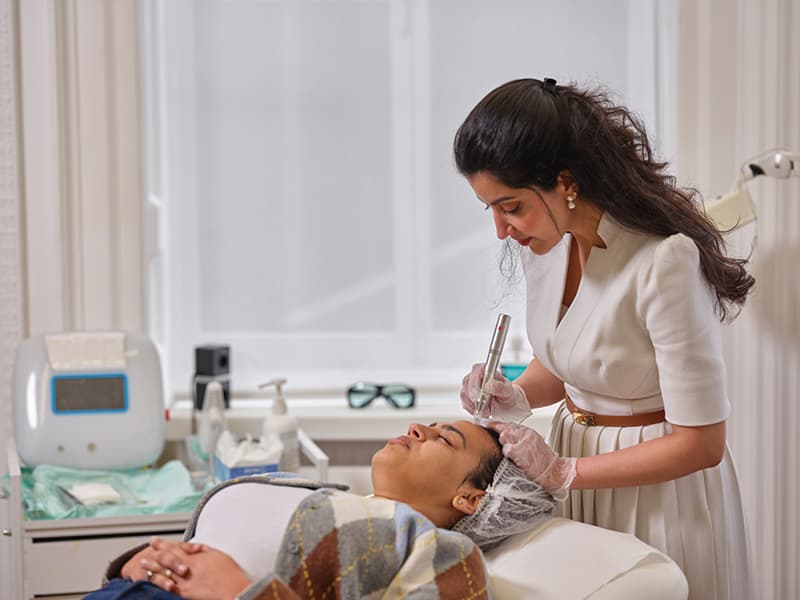
Most treatments cause only mild discomfort, and many are well tolerated with minimal anaesthetic or none at all. Laser and microneedling treatments may feel like a tingling or stinging sensation, while injections can cause slight pressure. We always make sure you are as comfortable as possible throughout your treatment.
It is unlikely that a scar will vanish completely, but treatment can significantly reduce its visibility. The goal is to improve texture, colour, and smoothness so that the scar blends more naturally with your skin. Many patients see a dramatic improvement in both appearance and confidence.
This varies depending on the treatment method. Some, like chemical peels or laser therapy, may cause temporary redness or peeling for a few days, while others have virtually no downtime. Your dermatologist will explain recovery expectations and aftercare instructions in detail.
Yes, although keloid scars can be challenging, treatments such as steroid injections, cryotherapy, or laser therapy can reduce their size and discomfort. Often, a combination of treatments works best. Regular follow-up is sometimes required to maintain results.
Results from scar treatment are generally long lasting, though new scars can form if you sustain further skin injury. For certain scar types like keloids, there is a chance of recurrence, but ongoing management can help reduce this risk. Your dermatologist will guide you on long-term care.
It is usually best to allow the wound to fully heal before starting treatment. Early intervention with topical therapies may help, but most advanced treatments are performed once the scar has stabilised. A dermatologist can advise you on the safest time to begin.
Yes, but the choice of treatment may differ depending on your skin tone and sensitivity. Certain lasers, for example, need to be adjusted carefully for darker skin to avoid pigmentation changes. At our clinic, we have extensive experience treating all skin types safely.
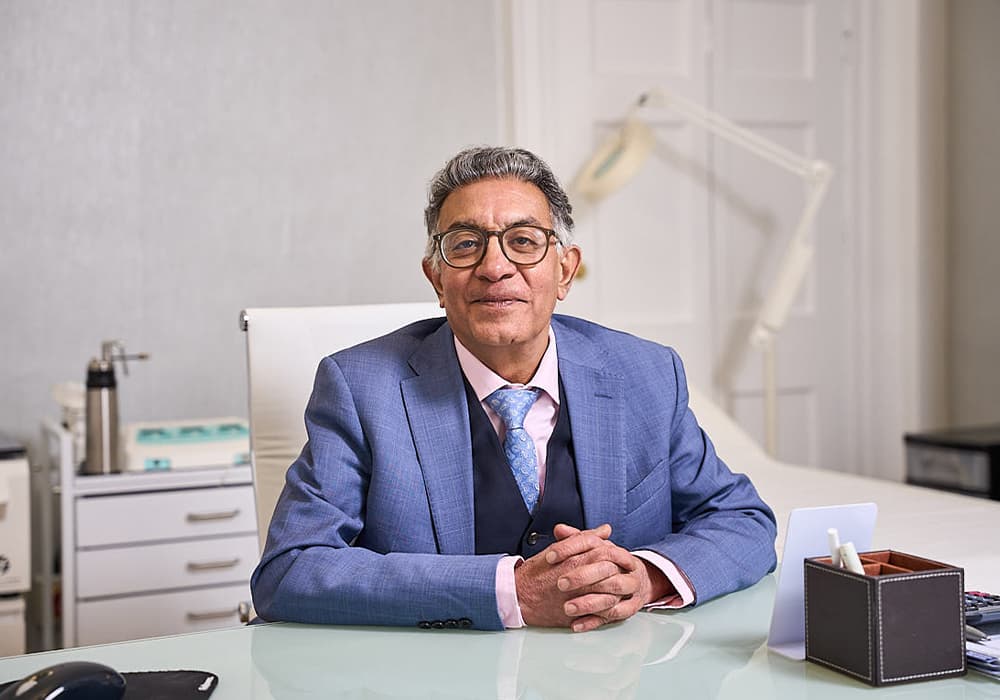
Booking is simple — call us on 020 7467 3720 or use our contact form. Our team will arrange a convenient consultation with a dermatologist who specialises in scar treatments. You'll have the opportunity to ask questions and explore the options most suitable for your needs.
0207 467 3720
0207 467 3729
reception@the-dermatology-centre.co.uk
Monday - Friday: 9.00 AM - 5.30 PM
Saturday & Sunday: Closed
69 Wimpole Street,
London W1G 8AS.
If you would like to discuss treatment options for your scars, call us on 020 7467 3720 or use our contact form. Our team will be happy to arrange a consultation with one of our dermatologists.



 Message Us