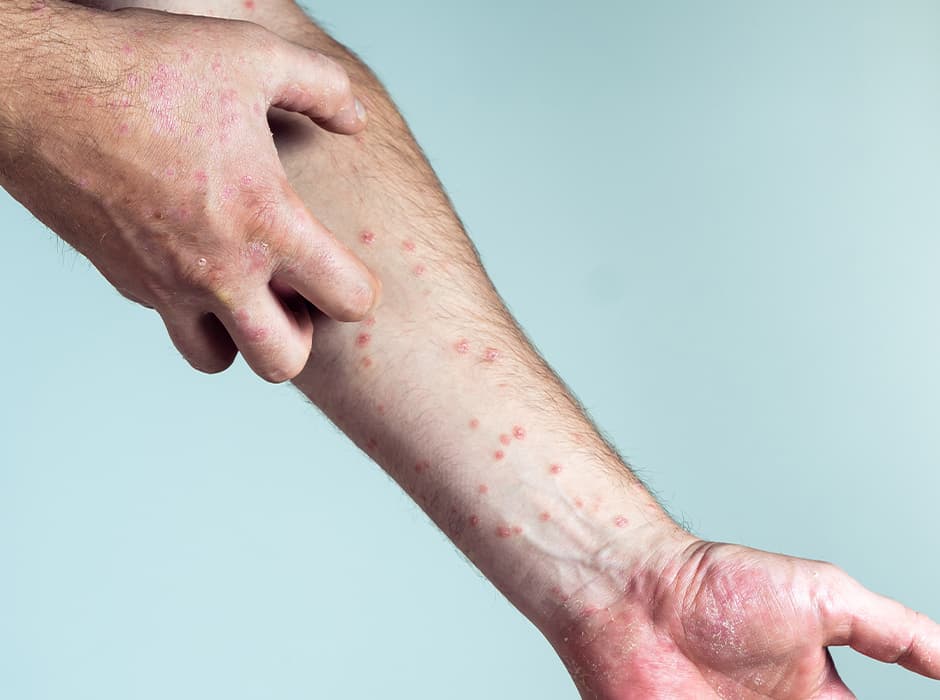

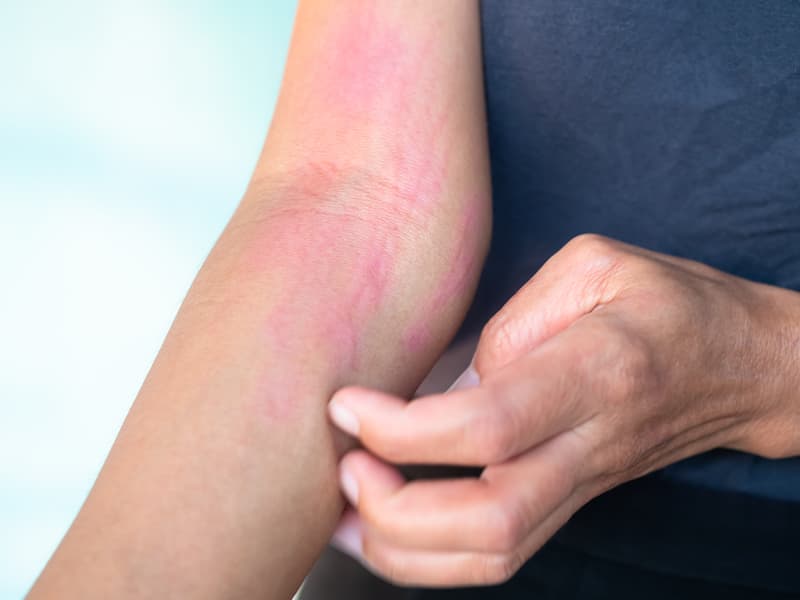
Scabies is caused by the Sarcoptes scabiei mite, which burrows into the outer layer of the skin and lays eggs. This triggers an allergic reaction, which causes the intense itching and rash that scabies is known for.
Key signs and symptoms include:
Scabies is spread through prolonged skin-to-skin contact and occasionally via shared clothing or bedding. It is not a sign of poor hygiene and can affect anyone.

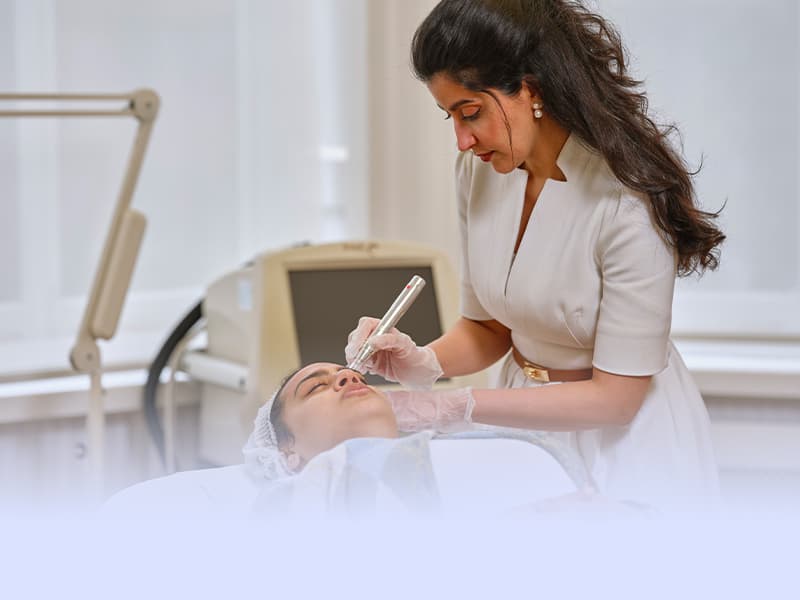
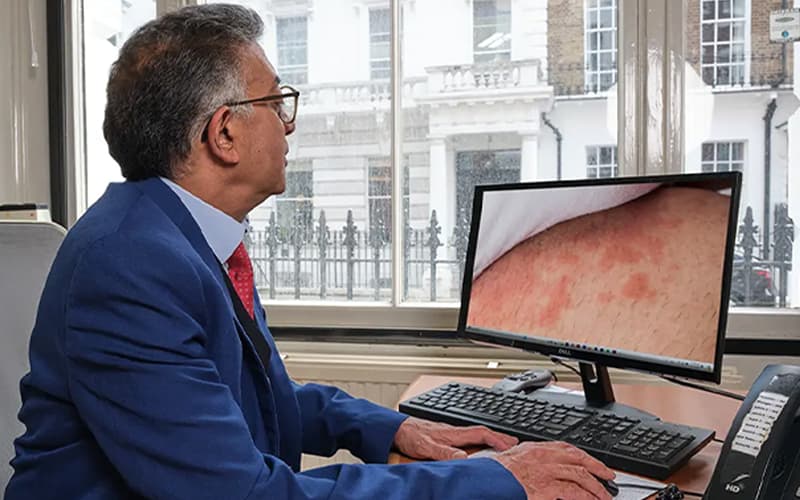
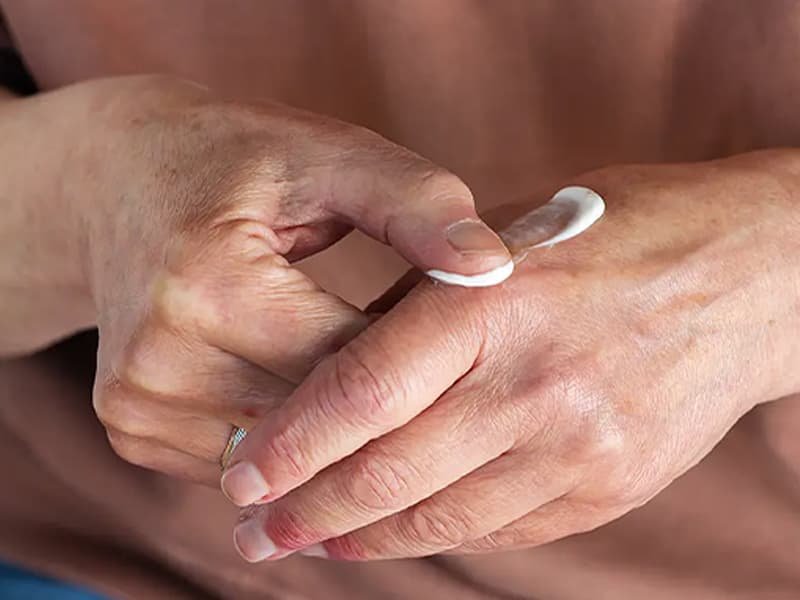


At our clinic, scabies is managed with professionalism, sensitivity, and medical expertise. We understand that the condition can be distressing, so we focus on fast diagnosis, effective relief, and practical advice for prevention.
We also take care to identify any complications such as secondary infections, eczema, or crusted scabies, ensuring a complete and thorough approach to your care.

Your Consultation
Scabies is caused by a tiny mite called Sarcoptes scabiei that burrows into the skin to lay eggs. The body reacts to the mites and their waste, triggering an allergic response that leads to itching and rash. It spreads through prolonged skin contact or shared bedding and clothing.
The main symptoms include intense itching (especially at night), a bumpy red rash, and thin wavy lines on the skin. Common areas affected are the wrists, between the fingers, elbows, waist, and genitals. A dermatologist can confirm the diagnosis through examination and, if needed, a skin scraping.
Yes, scabies is very contagious and can spread quickly through close contact. It’s important to treat not only the affected individual but also close contacts at the same time, even if they don’t have symptoms, to stop reinfection.
Scabies is usually treated with prescription creams such as permethrin or benzyl benzoate, applied to the entire body and washed off after a set period. In some cases, an oral medication like ivermectin may be prescribed. A second round of treatment is often needed one week later.
Itching may continue for a few days to weeks after successful treatment as the body clears out the allergic response. This does not mean the mites are still present. Moisturisers and antihistamines can help reduce this post-treatment itch.
Yes, reinfection is possible if you come into contact with someone who has untreated scabies or if the original treatment wasn’t fully completed. Proper treatment of all contacts and washing bedding and clothing is essential to prevent recurrence.
Wash all clothing, bedding, and towels used in the previous 48 hours at 60°C or above. Items that can’t be washed can be sealed in a plastic bag for at least 72 hours. Vacuuming furniture and carpets is also recommended.
No, scabies has nothing to do with cleanliness. It spreads through close contact and can affect anyone, regardless of hygiene. It is common in households, care homes, and places where people are in close physical proximity.
You can usually return to work, school, or social contact 24 hours after beginning effective treatment. It’s still important to follow through with the second dose and ensure close contacts are treated as well.
You can book a consultation by calling us on 020 7467 3720 or using our contact form. Our team will arrange your appointment and answer any further questions.
0207 467 3720
0207 467 3729
reception@the-dermatology-centre.co.uk
Monday - Friday: 9.00 AM - 5.30 PM
Saturday & Sunday: Closed
69 Wimpole Street,
London W1G 8AS.
If you suspect you have scabies or have been in close contact with someone who does, early diagnosis and treatment are key. Contact the London Dermatology Centre today for expert care in a discreet, professional setting.
Call us on 020 7467 3720 or use our contact form to schedule your visit.



 Message Us