


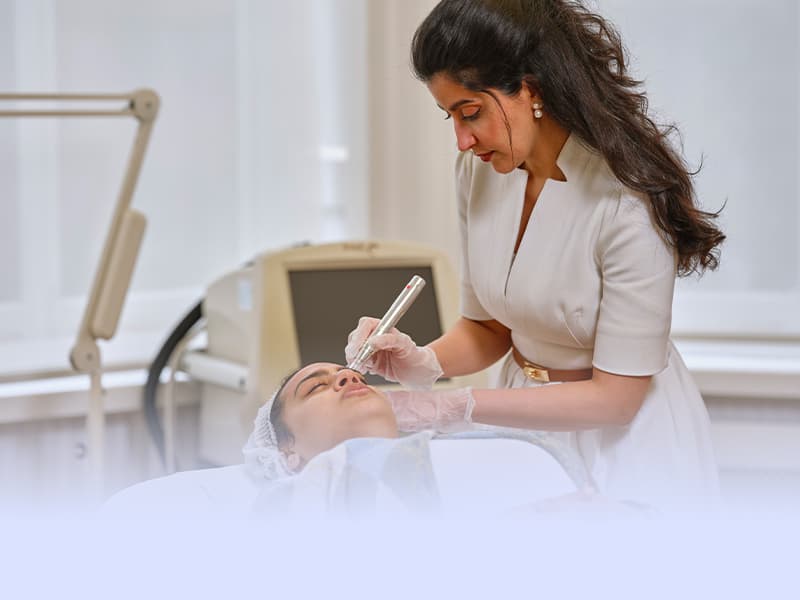
Our dermatologists will begin with a detailed consultation to assess your skin, understand your history, and identify possible triggers. Based on the severity and location of the condition, we create a tailored treatment plan that may include:
Prescription-strength antifungal shampoos and creams help control the yeast that contributes to inflammation.
Mild corticosteroids can help reduce redness and irritation quickly when symptoms are active.
For areas where steroid use is not ideal (e.g. around the eyes or long-term on the face), non-steroid creams like tacrolimus or pimecrolimus may be prescribed.
We provide guidance on gentle cleansing routines, moisturisers, and avoiding common irritants to help support your skin barrier and reduce future flare-ups.

Our consultant dermatologists are highly experienced in diagnosing and managing chronic inflammatory skin conditions such as seborrhoeic dermatitis. We take time to understand your symptoms and create a practical, effective treatment plan to fit your lifestyle.
We also work closely with patients who have coexisting conditions such as rosacea, psoriasis, or eczema, where seborrhoeic dermatitis may overlap or mimic other skin concerns.

Your Consultation
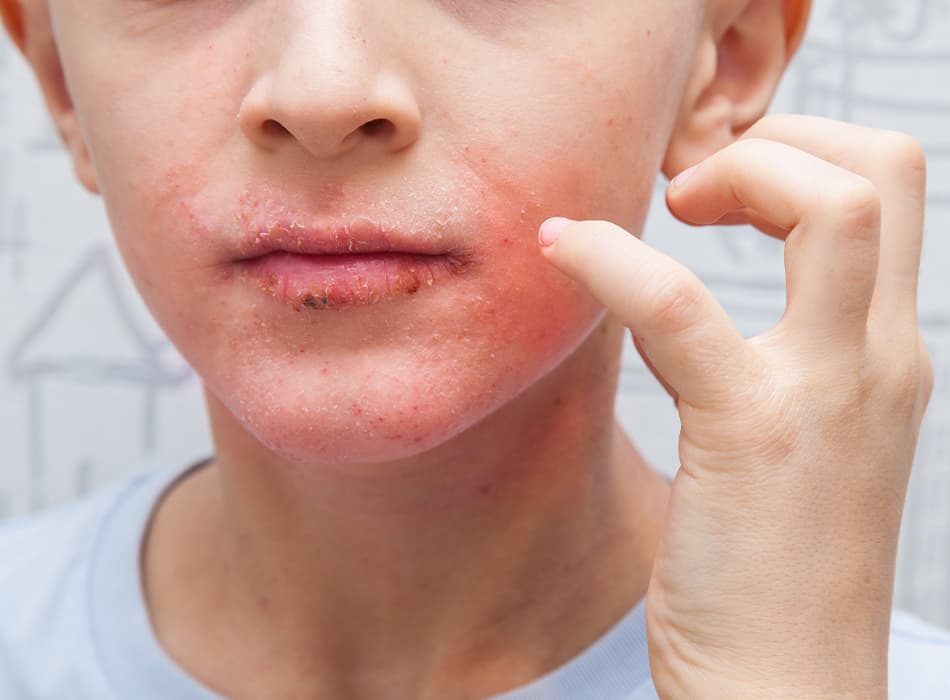
Seborrhoeic dermatitis is thought to be caused by an overreaction of the immune system to a yeast called Malassezia, which naturally lives on the skin. Other factors such as stress, hormonal changes, weather, or oily skin can trigger or worsen symptoms.
No, it’s not contagious. It cannot be spread through skin contact, towels, or sharing personal items. It’s a chronic inflammatory skin condition, not an infection.
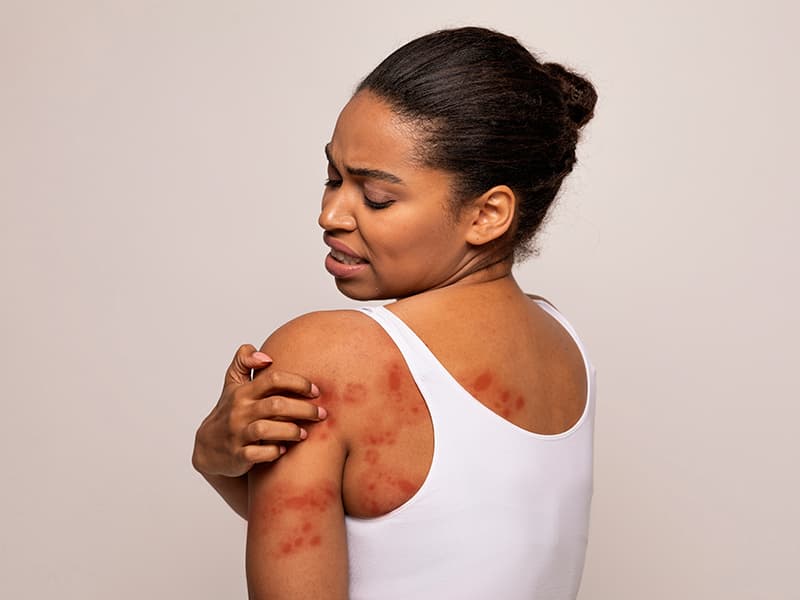
Seborrhoeic dermatitis most commonly affects areas rich in oil glands, such as the scalp, eyebrows, sides of the nose, ears, chest, and upper back. In infants, it appears on the scalp and is often called cradle cap.
Dandruff is considered a mild form of seborrhoeic dermatitis, usually limited to the scalp. Seborrhoeic dermatitis, however, can involve the face, chest, and other areas, and tends to cause more noticeable redness and inflammation.
There’s no permanent cure, but it can be effectively managed with the right treatments. Many people experience long periods without symptoms once their condition is under control with medicated creams, shampoos, and good skincare habits.
Diagnosis is usually based on a clinical examination. Your dermatologist will assess the pattern and appearance of the rash. In rare cases, a skin scraping may be taken to rule out fungal infections or other conditions like psoriasis or eczema.
Mild topical steroids can be used for short periods to reduce flare-ups, but prolonged use on the face is avoided due to the risk of thinning the skin. Non-steroid alternatives such as calcineurin inhibitors are often recommended for sensitive areas.
There’s no strong evidence linking specific foods to seborrhoeic dermatitis. However, maintaining a balanced diet, staying hydrated, and managing stress may help reduce flare-ups in some individuals.
Flare-ups vary from person to person. Some may have seasonal flare-ups—particularly in winter—while others may notice a link to stress, illness, or changes in routine. Regular treatment helps reduce both the frequency and intensity of flare-ups.
To book your consultation, call us on 020 7467 3720 or use our contact form. Our team will be happy to arrange your appointment and answer any questions.
0207 467 3720
0207 467 3729
reception@the-dermatology-centre.co.uk
Monday - Friday: 9.00 AM - 5.30 PM
Saturday & Sunday: Closed
69 Wimpole Street,
London W1G 8AS.
If you’re dealing with persistent flaking, redness, or discomfort, our team is here to help. Book your consultation at the London Dermatology Centre and take the first step toward clearer, healthier skin.



 Message Us