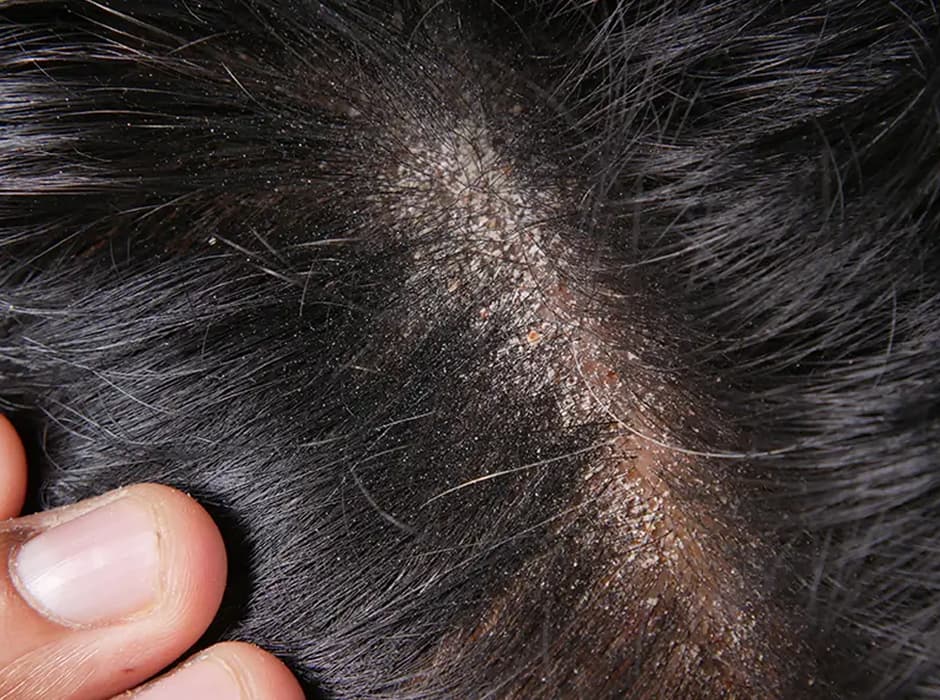

Expert Scalp Dermatologist in London
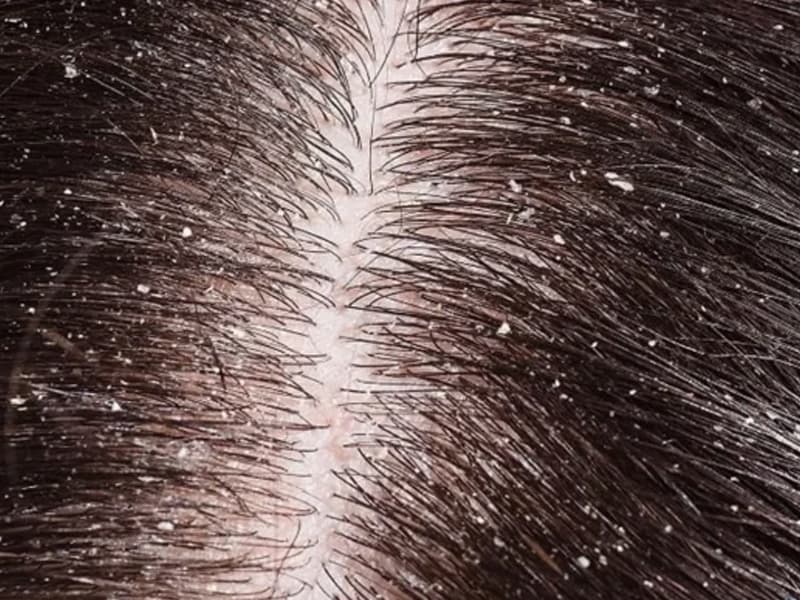
We see patients with a variety of scalp conditions that cause itching, scaling, redness, or discomfort. These include:
Chronic flaking and itching, often aggravated by stress, weather changes, or hair products. We offer medicated shampoos, anti-inflammatory treatments, and long-term care plans to manage flare-ups.
This autoimmune condition can appear as thick, silvery scales on the scalp, hairline, and behind the ears. It often recurs, and our clinic provides both topical and systemic treatments, including steroid-sparing options.
Redness, itching, and sensitive skin on the scalp can be a sign of eczema. We focus on reducing inflammation, relieving discomfort, and restoring the skin barrier with dermatologist-approved regimens.
This contagious scalp infection is most common in children but can affect adults as well. Symptoms include scaling, hair loss, and inflamed patches. We provide oral antifungal treatments and practical advice to prevent reinfection.
Folliculitis causes painful or itchy bumps on the scalp that may look like acne. Our team can determine whether it's bacterial, fungal, or irritant in origin—and treat it accordingly with both topical and oral therapies.
Benign growths like epidermoid or pilar cysts can appear as small, firm bumps on the scalp. While often harmless, they may be removed if causing discomfort or cosmetic concern.
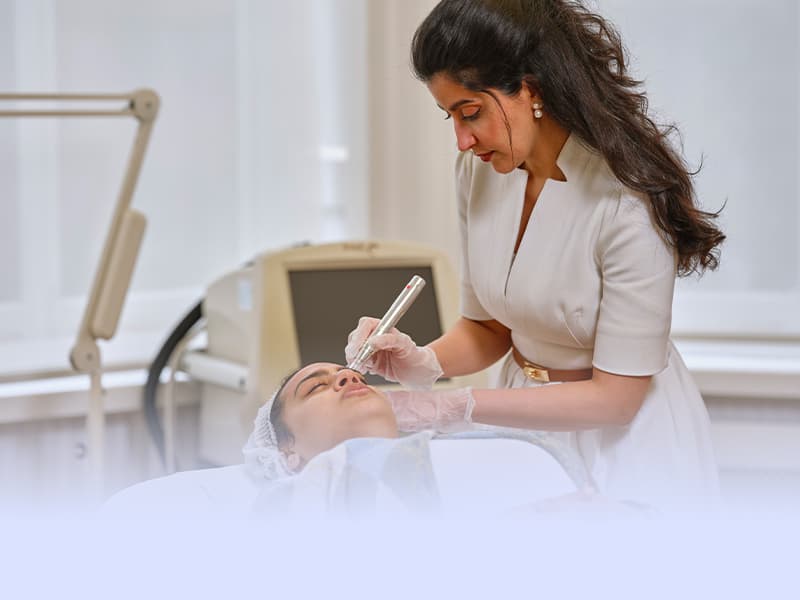
We see patients with a variety of scalp conditions that cause itching, scaling, redness, or discomfort. These include:
An autoimmune disorder that causes sudden, patchy hair loss. Early treatment often improves the chances of regrowth. We offer steroid injections and immunotherapy when appropriate.
Genetically driven thinning is very common and progresses gradually. We treat this with clinically proven topical and oral medications, tailored to your needs and gender.
Trigger events like illness, childbirth, or stress can push hair into a resting phase, leading to noticeable shedding. We investigate possible causes and offer support to promote natural regrowth.
Conditions like lichen planopilaris and frontal fibrosing alopecia can destroy hair follicles permanently if not treated early. Our specialists provide diagnostic biopsies and targeted therapies to help preserve existing hair and manage inflammation.
We also treat unexplained scalp itch, burning, or tingling—even in the absence of visible hair
loss. No symptom is too small or vague to investigate thoroughly.
Our approach begins with a detailed consultation and scalp examination. Depending on your symptoms, we may recommend one or more of the following:
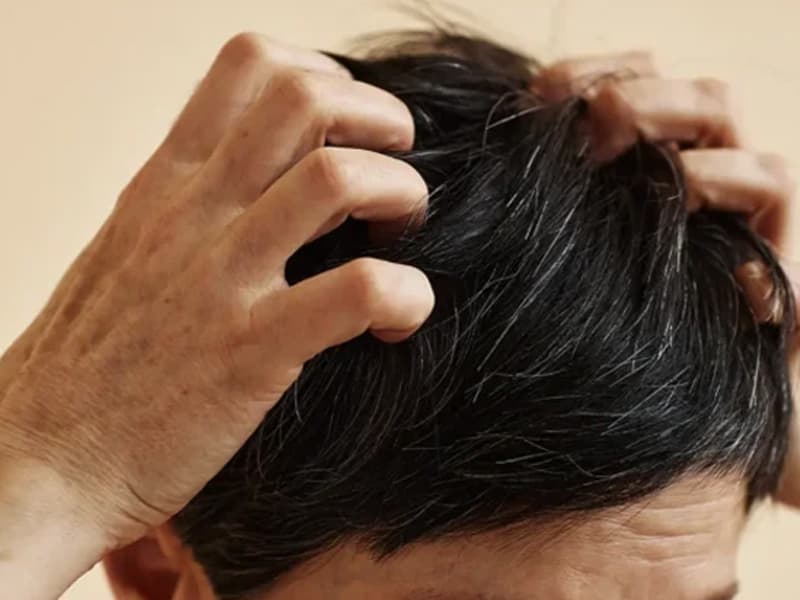



Your Consultation
If you're experiencing persistent dandruff, itching, redness, hair thinning, or patchy hair loss that isn’t improving with over-the-counter products, it’s worth seeing a scalp specialist. Early assessment can help identify underlying causes and prevent long-term damage.
A dermatologist is a medically qualified doctor who can diagnose and treat medical conditions affecting the scalp, hair, and skin. A trichologist is not medically trained and cannot prescribe medication or perform medical tests. For accurate diagnosis and treatment, a dermatologist is recommended.
Yes, dermatologists are the leading experts in diagnosing and treating hair loss. They can identify causes such as alopecia areata, hormonal hair thinning, or scarring alopecias, and prescribe evidence-based treatments including topical and oral medications.
Depending on your symptoms, your dermatologist may recommend trichoscopy (a magnified scalp assessment), blood tests to check for deficiencies or hormonal imbalances, or a scalp biopsy if the diagnosis is uncertain.
Not necessarily. Many types of hair loss, including telogen effluvium and alopecia areata, can be temporary and respond well to treatment. However, early diagnosis is key—some scarring forms of hair loss can become permanent if left untreated.
Yes. Inflammatory conditions like psoriasis, seborrhoeic dermatitis, and fungal infections can interfere with the hair cycle and cause temporary or even permanent hair loss if not treated promptly.
Yes. Female pattern hair loss and other forms of hair thinning are very treatable. Options include topical minoxidil, prescription medications, hormone-related therapies, and supportive care to slow or reverse thinning.
Absolutely. Our dermatologists consider your hair texture, styling habits, and scalp characteristics—including those related to ethnicity—when diagnosing and treating your condition.
This depends on the diagnosis and type of treatment. Some conditions improve within a few weeks, while others may take several months. Hair regrowth is gradual, and your dermatologist will explain what to expect during your consultation.
You can book by calling us on 020 7467 3720 or using our contact form. We’ll arrange your appointment and provide any additional information you may need.
0207 467 3720
0207 467 3729
reception@the-dermatology-centre.co.uk
Monday - Friday: 9.00 AM - 5.30 PM
Saturday & Sunday: Closed
69 Wimpole Street,
London W1G 8AS.
If you're struggling with scalp irritation, hair thinning, or sudden hair loss, we’re here to help. Book a consultation with a specialist scalp dermatologist at the London Dermatology Centre and take the first step toward healthier hair and scalp.
Call us on 020 7467 3720 or use our contact form to schedule your appointment.



 Message Us