
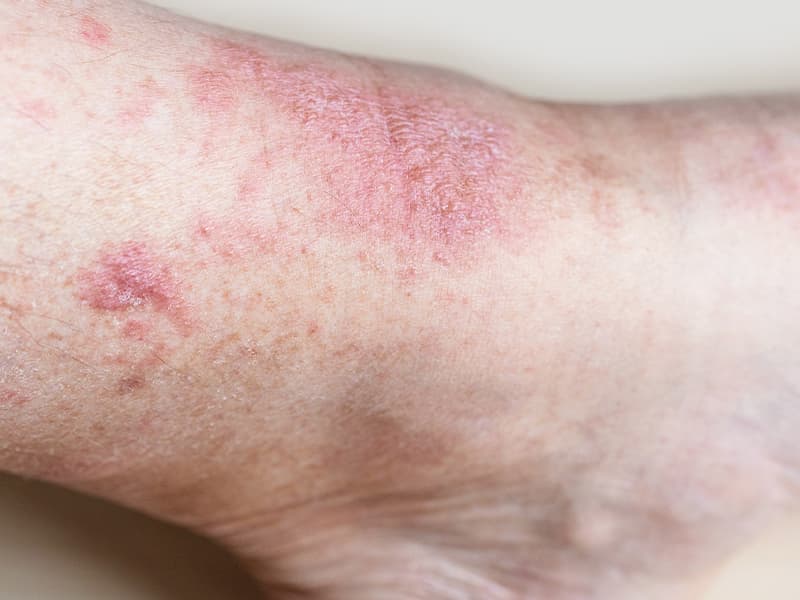

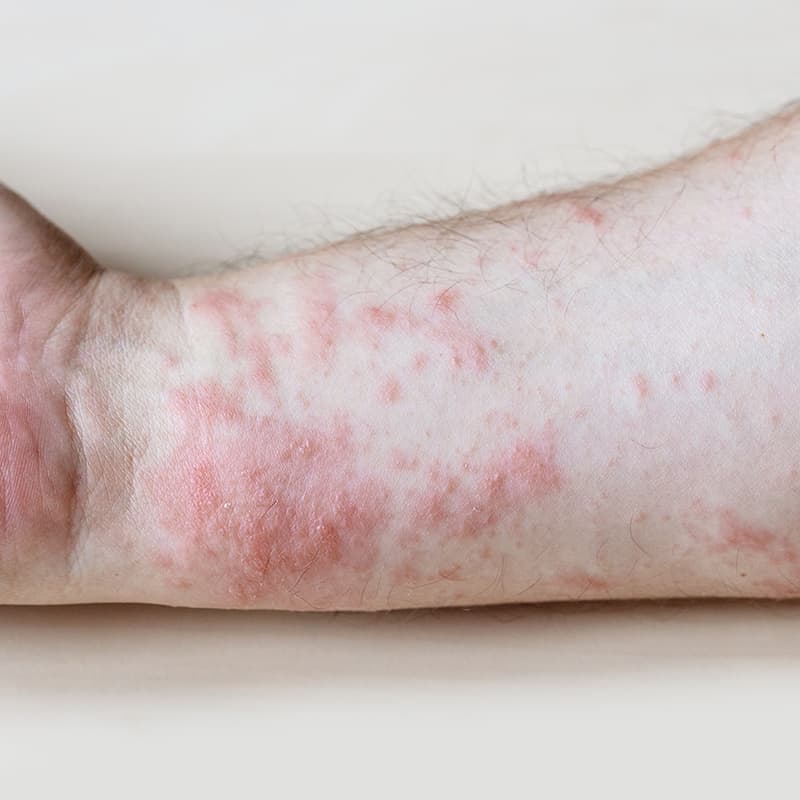
Common symptoms include:
Although lichen planus can resolve on its own in some cases, many people benefit from targeted treatment to reduce inflammation, alleviate symptoms, and prevent long-term damage—especially when mucous membranes or the scalp are involved.
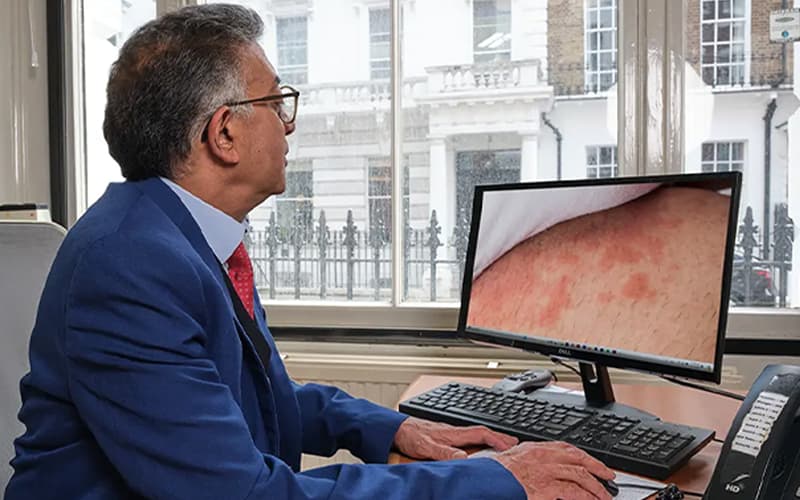
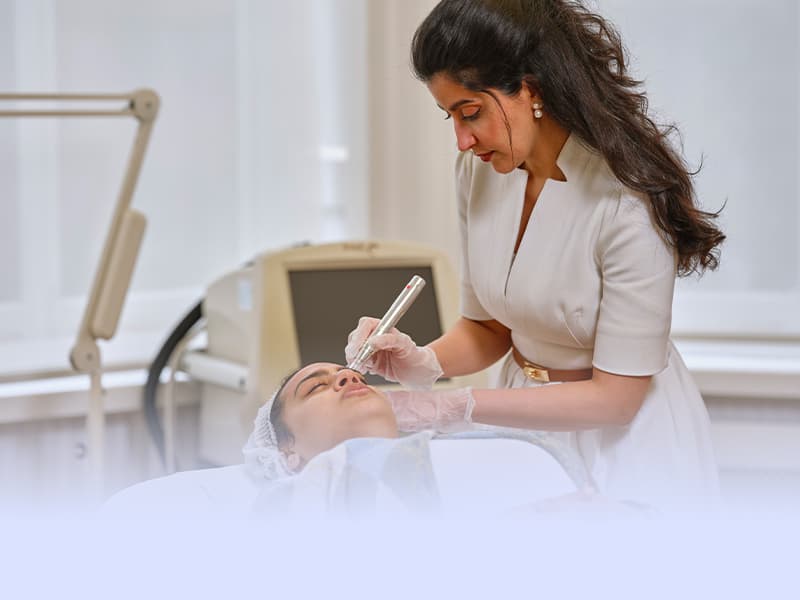
At the London Dermatology Centre, we tailor each treatment plan based on the type and severity of your lichen planus. Treatment options may include:
Corticosteroid creams or ointments are often the first line of treatment to reduce inflammation and ease itching.
Calcineurin inhibitors (such as tacrolimus) may be used for delicate areas, such as the mouth or genitals, where steroid use must be limited.
For more widespread or resistant cases, we may prescribe:
Narrowband UVB therapy is sometimes used to treat generalised skin lesions that don't respond to topical treatments. This non-invasive option can help calm inflammation and improve appearance.
Patients with oral or genital lichen planus may require regular reviews to monitor symptoms, adjust treatments, and screen for changes. We work closely with other specialists if additional input is needed.

Lichen planus is a condition that varies significantly from person to person. At our clinic, we focus on precision diagnosis and long-term management. Our team of GMC-registered consultant dermatologists are highly experienced in treating lichen planus and related autoimmune skin conditions.
We believe in taking the time to understand your symptoms and create a personalised treatment approach that fits your lifestyle and goals.
The exact cause of lichen planus isn't fully understood, but it's believed to be an autoimmune condition where the immune system mistakenly attacks healthy skin or mucous membranes. In some cases, it may be linked to medications, hepatitis C infection, or allergens, though most cases are considered idiopathic (with no identifiable cause).
No, lichen planus is not contagious. It cannot be passed from person to person through contact, saliva, or sexual activity. It is a reaction of your own immune system and is not related to bacterial or viral transmission in most cases.
Diagnosis is typically made by a dermatologist through clinical examination of the skin or mucosal lesions. In some cases, a small skin or tissue biopsy may be taken to confirm the diagnosis, especially if the presentation is unusual or persistent.
Yes, lichen planus can affect the mouth, genitals, scalp (known as lichen planopilaris), and nails. Oral and genital forms can be more persistent and may require long-term monitoring, while scalp involvement may lead to scarring hair loss if not treated promptly.
While the vast majority of cases are benign, long-standing oral lichen planus may carry a slightly increased risk of developing into oral cancer. This is why regular monitoring is recommended for patients with persistent oral lesions, particularly if ulcers or white patches change in appearance.
Treatment depends on the severity and site of involvement. Options include topical corticosteroids, calcineurin inhibitors, oral medications (such as steroids or immunosuppressants), and phototherapy for widespread skin disease. Your dermatologist will tailor the treatment to your specific needs and symptoms.
Skin lesions often improve within 6 to 18 months, though this varies from person to person. Oral or genital forms may persist for longer periods and require ongoing management. Even when symptoms clear, there is a possibility of recurrence in the future.
Yes, managing stress, avoiding known triggers (like certain medications or dental fillings in some oral cases), and following a gentle skincare routine can help reduce flare-ups. Your dermatologist may also suggest avoiding spicy foods or irritants if you have oral lichen planus.
There is currently no permanent cure for lichen planus, but treatment can effectively control symptoms, speed up resolution, and prevent complications. Many people experience long periods of remission with the right care.
You can book a consultation by calling us on 020 7467 3720 or by filling out our contact form. Our experienced team is here to support you through diagnosis, treatment, and long-term care.

Your Consultation
0207 467 3720
0207 467 3729
reception@the-dermatology-centre.co.uk
Monday - Friday: 9.00 AM - 5.30 PM
Saturday & Sunday: Closed
69 Wimpole Street,
London W1G 8AS.
If you’re dealing with lichen planus symptoms, don’t wait. The London Dermatology Centre is here to help. Book your consultation today and take the first step toward relief and recovery.
Call us on 020 7467 3720 or use our contact form to schedule your visit.



 Message Us